
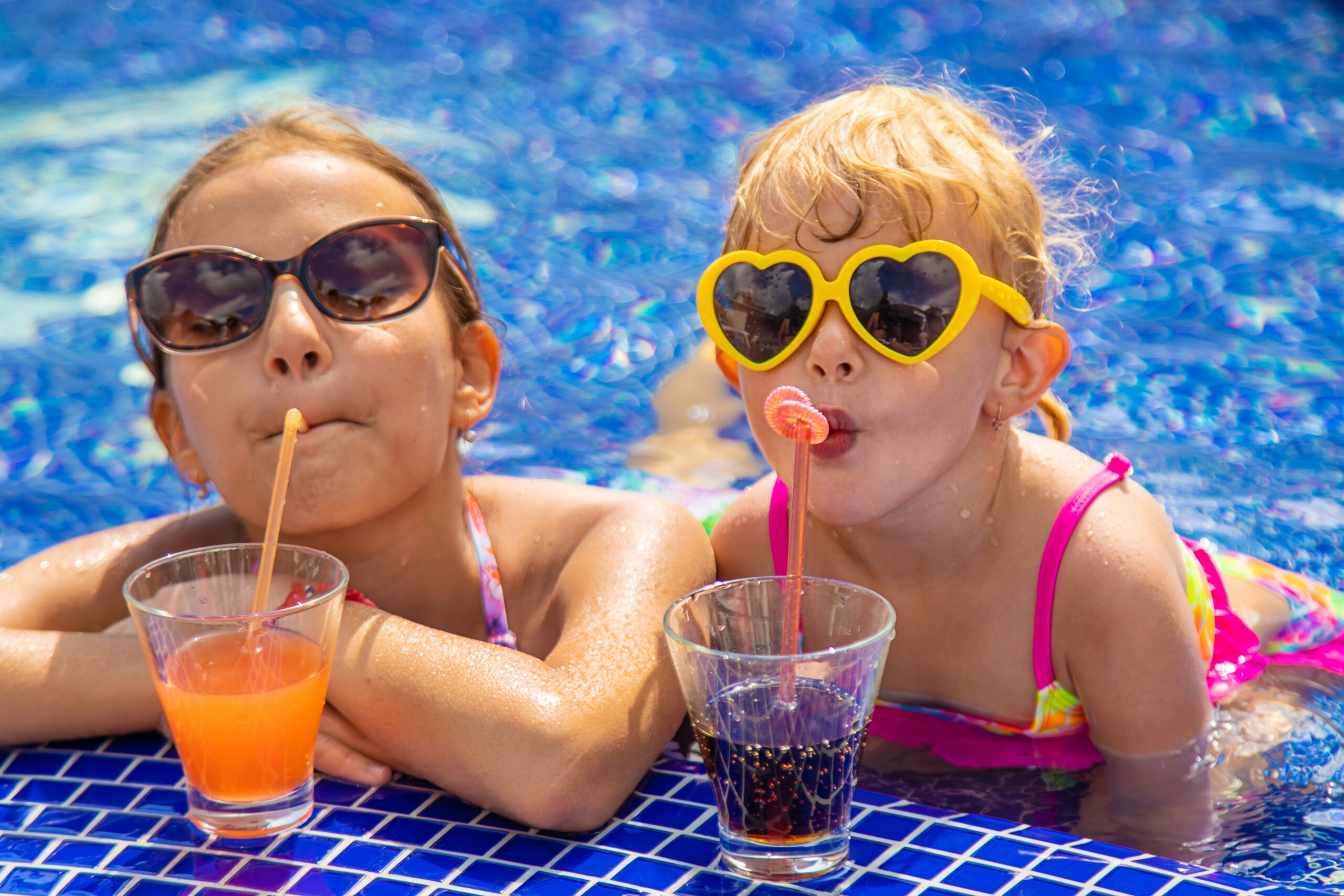
Summer vacations, holiday road trips, and long weekends away are supposed to be a break from everything — the alarm clock, the commute, the routine. And that’s exactly the problem. The same structure that feels like a chore during the workweek is quietly doing a lot of heavy lifting for your teeth and gums. When that structure disappears, even for a week or two, your mouth often pays the price. If you’ve ever come back from a vacation and noticed your teeth feeling a little more sensitive, your gums a bit puffier, or your breath off — you weren’t imagining it. The disruption to your daily habits during travel is one of the most overlooked contributors to short-term (and sometimes long-term) oral health decline.
The Routine You Don’t Think About Is Doing a Lot
Most people don’t realize how precise their daily oral hygiene habits are until they leave home. At home, your toothbrush is on the counter. Your floss is in the drawer. You rinse after coffee without thinking about it. You don’t stay up until 2 a.m. snacking on airport food three nights in a row. But on vacation? Everything shifts.
Bedtime gets pushed back. You’re tired in a different time zone and you skip flossing “just for tonight.” The dental products you packed are crammed in a toiletry bag you don’t open until you actually need them — and even then, a quick rinse sometimes replaces a full two-minute brush. It sounds minor. It adds up faster than you’d think.
What’s Actually Happening in Your Mouth During Vacation
Here’s the biology worth understanding: the bacteria in your mouth that contribute to plaque and gum disease don’t take a break just because you’re at the beach. In fact, they thrive when you give them more to work with — and vacation eating habits tend to do exactly that.
Sugar Intake Spikes Without Warning
Vacation eating is almost always different from home eating. More dining out, more cocktails, more desserts, more convenience snacks grabbed at gas stations or airport terminals. Each of these tends to be higher in sugar and refined carbohydrates — exactly the fuel that oral bacteria use to produce the acids that erode enamel and inflame gum tissue. A single week of significantly elevated sugar intake, especially when combined with inconsistent brushing, is enough to give plaque a meaningful head start.
Dehydration Is More Common Than People Recognize
Travel is dehydrating. Airplane cabins have notoriously low humidity. Hot weather destinations encourage sweating. Alcohol — common on vacation — is a diuretic. All of this adds up to a drier mouth than usual. Saliva is your mouth’s built-in defense system. It neutralizes acids, helps wash food particles away, and keeps bacterial populations in check. When you’re dehydrated, saliva flow decreases, and your natural oral defenses weaken. The result is a mouth that’s more vulnerable to cavities and gum irritation than it would be on an ordinary Tuesday at home.
Acidic Beverages Travel Well — and Damage Enamel
Lemonade, sodas, beer, wine, citrus juices, sports drinks — these are the unofficial beverages of vacation. They’re also some of the most acidic drinks you can consume regularly. Acid softens enamel temporarily after each exposure, and when that exposure happens repeatedly throughout the day without the buffer of water or saliva, enamel erosion accelerates. Most people don’t notice enamel erosion until it causes sensitivity — and by then, it’s already done.
The Sleep Schedule Disruption No One Talks About
One of the more surprising connections between vacation and oral health is sleep — specifically, changes in your sleep schedule and their effect on teeth grinding (bruxism). Sleep quality and timing directly influence stress hormones and muscle tension. When your sleep is irregular — staying up late, sleeping in new environments, adjusting to time zones — many people experience elevated stress or lighter sleep quality. For people who grind or clench their teeth (often without knowing it), this can be a period of significantly increased wear on tooth surfaces and jaw strain.
If you wake up from a vacation with unexplained jaw soreness or tooth sensitivity, this is worth mentioning to your General Dentistry in Seguin. It may be more than just sleeping on an unfamiliar pillow.
Kids Are Especially Vulnerable During Summer and School Breaks
Parents often notice something after summer break: their child’s teeth need a little more attention at the next checkup. This isn’t a coincidence. Children’s oral health is deeply tied to structure. During the school year, kids eat at consistent times, have less access to constant snacking, and many brush as part of a morning routine that includes parental oversight. Summer changes all of that.
Frequent pool visits bring another, less obvious risk — chlorinated pool water is acidic, and children who swim regularly during summer can be exposed to enough acid to begin softening enamel over a season. Combine that with popsicles, juice boxes, sports drinks, and irregular brushing, and it becomes clear why scheduling a dental checkup in Seguin after summer so often reveals new issues that weren’t there in June.
What Happens to Your Gums Specifically
Gum health responds quickly to changes in care. Gingivitis — the early stage of gum disease — can develop within days of inadequate plaque removal. The warning signs are easy to miss: slight puffiness at the gumline, bleeding when brushing, or a feeling that your gums are more tender than usual.
Most people don’t notice these signs until they get home and resume their normal brushing and flossing. That first floss after a week of skipping it — the bleeding you notice — is your gums telling you they’ve been dealing with plaque buildup while you were away. For people who already have some degree of gum sensitivity or early gum disease, even a short vacation lapse can be enough to cause a setback that takes several weeks of consistent care to reverse.
Practical Things That Actually Help
The goal isn’t to guilt you into brushing your teeth on vacation with the precision of a dental hygiene student. It’s to give you a realistic picture of what’s happening so you can make small adjustments with meaningful results.
Keep your tools accessible, not buried. If your toothbrush and floss are at the bottom of a suitcase, you’ll use them less. A small toiletry pouch that sits on the bathroom counter — just like at home — removes the friction.
Drink water consistently, especially on travel days. This isn’t just good for general health — it’s actively protecting your mouth. Water rinses away food particles, stimulates saliva, and buffers acids from food and drinks.
After acidic drinks or meals, wait before brushing. Acid temporarily softens enamel. Brushing immediately after can accelerate erosion. Rinse with water first, wait 30 minutes if you can, then brush.
Consider a travel-size mouthwash. On days when brushing gets delayed, a fluoride or antibacterial rinse does something useful in the meantime.
Try not to let two consecutive nights pass without flossing. One skipped night is recoverable. Multiple nights in a row starts to let plaque mature into something more difficult to remove at home.
When to See Your Dentist After Vacation
Most vacation-related oral health disruption is reversible with a return to your normal routine. But there are some signs that suggest you should schedule a visit rather than just wait it out:
- Persistent tooth sensitivity that wasn’t there before your trip
- Gums that bleed frequently for more than a week after resuming flossing
- Visible changes in tooth color or surface texture
- Jaw pain or soreness upon waking
- A tooth that feels different when you bite down
These aren’t always emergencies, but they are signals worth checking out sooner rather than later. Catching small issues early is almost always better than managing larger problems later.
A checkup is also just a good reset point after vacation season. If your family is due for a cleaning — or if you’ve been putting off a routine visit — the stretch after summer travel is a natural time to get into Seguin dental care and make sure everything looks good before fall sets in.
The Bigger Picture
Oral health doesn’t operate in isolation. It reflects how you’re eating, how you’re sleeping, how hydrated you are, and how consistent you are with the habits that protect your teeth and gums. Vacation disrupts all of those factors at once, which is why its effects on oral health can be surprisingly significant even when the vacation itself is only a week or two long.
None of this means vacation is bad for you — clearly it isn’t. But treating it as a total pause on self-care, including the two-minute investment of brushing before bed, is where people run into trouble. The good news is that with just a little awareness — and a general dentist near you in Seguin to check in with when something feels off — most of the risk is easy to manage.
Frequently Asked Questions
Q: Should I schedule a dental visit right after vacation?
Not necessarily for everyone, but it’s a good idea if you’ve noticed any symptoms — sensitivity, bleeding, soreness, or visible changes. It’s also a practical time to schedule a routine cleaning if you’re due for one or have been putting it off. Many families find it easier to book with a dentist in Seguin around seasonal transitions, and post-summer is a natural checkpoint.
Q: Can one week of vacation really make a noticeable difference to my oral health?
Yes, it can — particularly if your diet changes significantly, you become dehydrated, or you skip flossing for several days in a row. Plaque begins to harden into tartar within 24 to 72 hours, and gum tissue can become inflamed in as little as a few days without adequate plaque removal. That said, most vacation-related changes are completely reversible with a return to your normal routine.
Q: My kids swim a lot in the summer. Is pool water actually bad for their teeth?
It can be, if they’re spending extended time in heavily chlorinated pools over a long period. Pool water is typically acidic enough to begin softening enamel with frequent exposure. This is sometimes called “swimmer’s calculus” or “swimmer’s erosion” and tends to affect the front teeth most visibly. Rinsing with fresh water after swimming and maintaining consistent brushing habits significantly reduces the risk.
Q: What’s the single most important oral hygiene habit to maintain while traveling?
Brushing before bed, without skipping. Nighttime is when your mouth produces less saliva, which means bacteria are more active. Going to bed without brushing gives them hours of uninterrupted time with whatever food and drink you’ve had all day. If you can only do one thing consistently on vacation, make it the before-bed brush.
Q: How long does it take for oral health to return to baseline after vacation?
For most people with no underlying gum or enamel issues, a return to normal brushing and flossing habits for one to two weeks is enough to restore their pre-vacation baseline. If you have existing gum sensitivity or early gum disease, recovery may take longer or require a professional cleaning.