
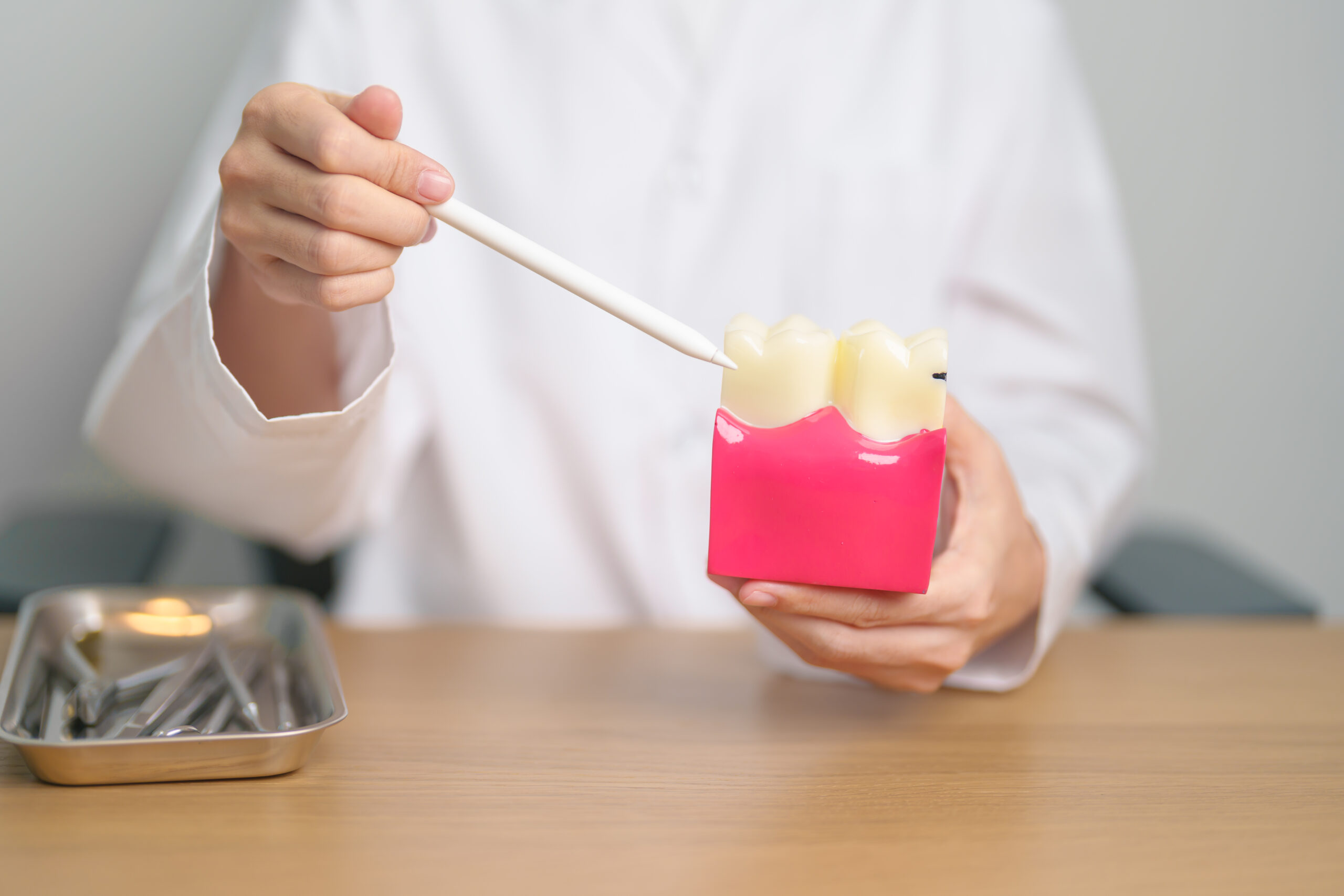
It’s something we hear often—parents packing lunches, adults grabbing coffee between meetings, or families trying to balance quick meals with healthier choices. Many patients are surprised when they develop cavities despite brushing regularly. The missing piece is often diet.
For those visiting a dentist in San Marcos, understanding how everyday food choices affect your teeth can make a meaningful difference in long-term oral health.
How Diet Impacts Your Oral Health
What you eat—and how often you eat—plays a direct role in your dental health. Your mouth naturally contains bacteria that feed on sugars and carbohydrates. When these bacteria break down sugars, they produce acids that can weaken tooth enamel.
Over time, repeated acid exposure can lead to:
- Tooth decay
- Enamel erosion
- Increased sensitivity
This process doesn’t just depend on what you eat, but also how frequently you eat throughout the day. Even small, frequent snacks can keep your teeth under constant acid exposure.
Foods That Can Harm Your Teeth
Some foods are more likely to contribute to dental problems, especially when consumed regularly.
- Sugary snacks and drinks: Candy, soda, sweetened coffee, and juices provide fuel for bacteria
- Acidic foods and beverages: Citrus fruits, sports drinks, and sodas can weaken enamel
- Sticky foods: Items like caramel or dried fruit cling to teeth longer, increasing risk
- Frequent snacking: Constant grazing doesn’t give your teeth time to recover
Families in the San Marcos area often find that small daily habits—like sipping on sweet drinks throughout the day—can have a bigger impact than occasional treats.
Foods That Support Healthy Teeth
The good news is that many foods actively support oral health and help protect your teeth.
- Calcium-rich foods: Milk, cheese, and yogurt help strengthen enamel
- Crunchy fruits and vegetables: Apples, carrots, and celery can help clean teeth naturally
- Water: Helps rinse away food particles and supports saliva production
- Balanced meals: Combining proteins, fats, and fiber reduces sugar spikes
Patients visiting a dental office in San Marcos often benefit from simple adjustments—like swapping sugary snacks for fresh fruits or drinking water instead of soda.
The Role of Snacking and Timing
It’s not just about what you eat—it’s also about when and how often.
- Grazing vs. structured meals: Frequent snacking keeps acid levels elevated
- Sugar exposure frequency: Repeated exposure is more harmful than one-time consumption
- Nighttime eating habits: Eating late without brushing increases risk
Busy schedules in places like San Marcos or nearby Kyle often lead to on-the-go eating, but creating structured meal times can help protect your teeth.
Diet Habits for Children and Families
For children, diet plays an important role in both current and future dental health.
- School lunches: Packing balanced meals with less processed sugar can help
- Healthy snack swaps: Replacing candy with cheese, nuts, or fruit
- Limiting sugary drinks: Encouraging water or milk instead
- Building routines: Consistent meal and brushing habits
Parents often find that small, consistent changes at home make it easier for children to develop healthy habits that last.
How Dentists Help You Connect Diet and Oral Health
Dental visits aren’t just about cleanings—they’re also an opportunity to understand how your habits affect your oral health.
Dentists may:
- Review your daily eating and drinking patterns
- Identify areas that may increase cavity risk
- Offer practical, realistic adjustments
- Help create a preventive care plan based on your lifestyle
This kind of guidance is meant to support—not restrict—so you can make informed choices that fit your routine.
Supporting Your Oral Health Through Everyday Choices
If you’ve ever wondered how your diet might be affecting your teeth, you’re not alone. Small changes—like reducing sugary drinks, spacing out snacks, or choosing tooth-friendly foods—can have a lasting impact.
If it feels helpful to talk through your eating habits or how they may be influencing your oral health, you’re always welcome to visit our dental practice in San Marcos and spend some time discussing what works best for your routine and lifestyle.
FAQs
Can diet really affect my dental health?
Yes. What you eat directly impacts how bacteria behave in your mouth, which can influence cavity risk and overall oral health.
Are some sugars worse than others for teeth?
All sugars can contribute to tooth decay, but sticky or frequently consumed sugars tend to have a greater impact.
Is snacking worse than eating sweets at meals?
Frequent snacking exposes your teeth to repeated acid attacks, which can be more harmful than occasional sweets during meals.
What drinks are safest for teeth?
Water is the best choice. Milk is also a good option. Sugary and acidic drinks should be limited.
How can I improve my child’s eating habits for better dental health?
Focus on balanced meals, limit sugary snacks, encourage water, and maintain consistent routines around meals and brushing.