
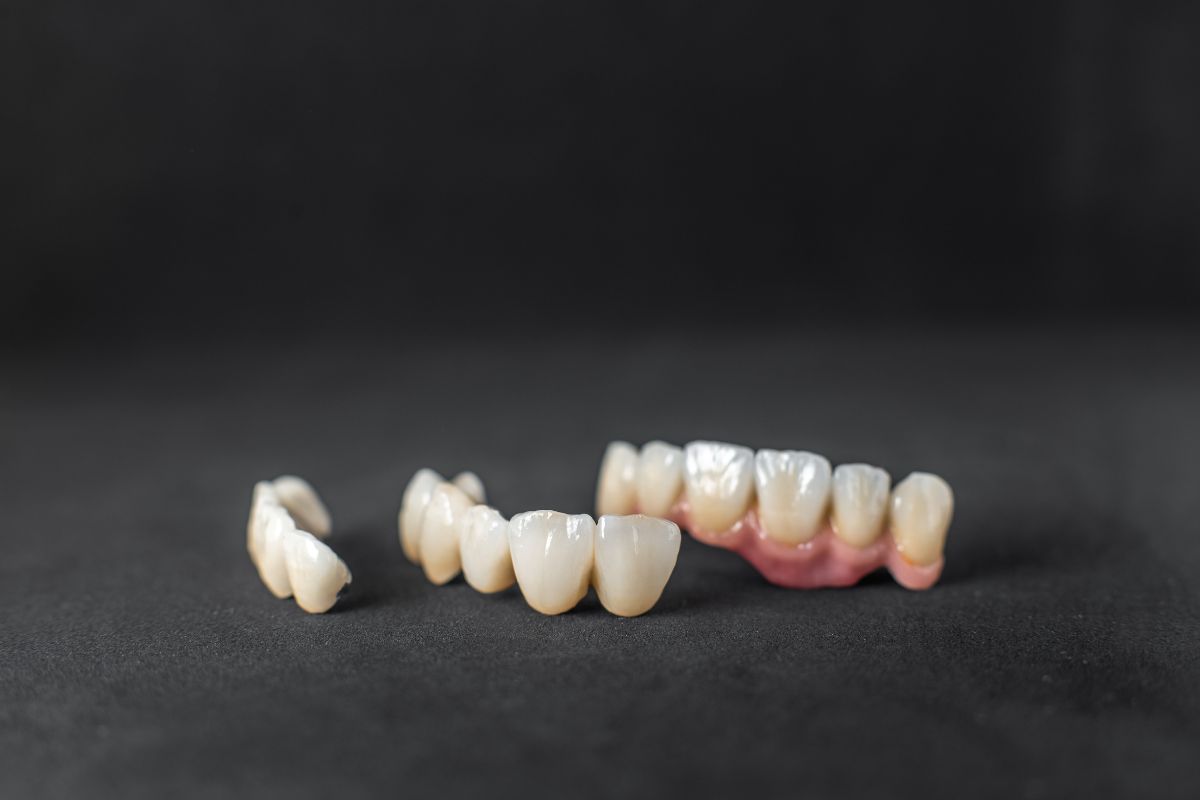
Can A Tooth Rot Under A Crown? – Yes, a tooth can rot under a crown if not properly maintained.
While capped teeth are made to protect your tooth from decay, the tooth underneath can still develop issues, especially if it wasn’t thoroughly treated before the cap was placed.
At Crescent Dental & Orthodontics in San Marcos, we focus on providing top-notch restorative care to ensure your dental work stays in excellent condition. In this blog, we’ll explore how tooth decay under a dental crown can happen, the symptoms to watch out for, and how you can protect your treatment from potential damage.
How Can Tooth Decay Happen Under A Crown?
Even though crowns for teeth are made to protect the tooth underneath, they don’t make the tooth immune to tooth decay under crowns. The tooth may have untreated decay before it is placed, or it may begin decaying after the cap is placed due to poor hygiene or natural wear and tear. Over time, bacteria can sneak under the edges of the cap if it doesn’t fit properly, leading to tooth decay under a crown.
In San Marcos, where the warmer climate can make us more prone to dry mouth and other oral health conditions, it’s crucial to maintain a rigorous dental care routine. Without proper care, plaque and food particles can accumulate along the edges of the tooth shell, leading to tooth decay beneath. Regular checkups with a restorative dentist in San Marcos can help catch these issues early and prevent further damage.
What Are The Symptoms Of Tooth Decay Under A Tooth Shell?
Tooth decay under a crown often goes unnoticed until it becomes serious. Some symptoms to watch for under the crown include:
- Pain or Sensitivity: You might feel pain when chewing, drinking hot or cold beverages, or applying pressure to the area.
- Bad Taste or Smell: If the decay has progressed, you may notice a bad taste or smell coming from around the restoration.
- Discoloration: Black teeth under crowns may appear if the tooth has begun to rot or if the crown is loose, allowing food to become trapped under it.
- Visible Cracks: In some cases, you might see cracks in your restoration or feel they moving.
Ignoring these signs can lead to more serious problems, including the need for root canal tooth decay under crown treatment or a replacement.
How To Prevent Decay Under Your Dental Crown?
Preventing tooth decay under a crown is relatively simple, but it requires ongoing attention to your oral hygiene and regular dental visits. Here are some tips to help you protect your restorative work and the tooth underneath:
- Brush and Floss Regularly: Brush twice daily with fluoride toothpaste, and floss around your new tooth to remove plaque and debris. Don’t forget to floss gently around the edges where the cap meets your tooth.
- Visit Your Dentist Regularly: Scheduling routine dental checkups and cleanings with a restorative dentist in San Marcos helps keep your tooth cap and surrounding teeth in good condition. During these visits, your dentist can check for signs of rotting tooth under the crown or other issues.
- Avoid Hard or Sticky Foods: Chewing on hard foods or sticky candies can damage your dental work or dislodge it, exposing the tooth to potential decay. Be mindful of foods like hard nuts, caramel, or ice.
- Address Any Issues Promptly: If you experience pain, sensitivity, or any other symptoms of tooth decay under the crown, schedule an appointment with a dentist immediately. Catching issues early can prevent more severe problems later on.
When To Replace A Tooth Cap?
If the tooth beneath your tooth cap has decayed significantly, you may need to replace it. A rotting tooth under a crown can sometimes be treated with a root canal to save the tooth. However, if the decay is too extensive, your dentist might recommend replacing both the dental work and the affected tooth.
In San Marcos, where the community is active and always on the go, taking care of your tooth shell and the tooth underneath is crucial for maintaining good oral health. Regular checkups with a restorative dentist ensure your restoration continues to do its job while protecting your underlying tooth.
Protect Your Tooth Cap And Smile For Life
Tooth decay under a crown may seem like a minor concern, but it can lead to serious problems if left untreated. By brushing and flossing diligently, visiting your restorative dentist in San Marcos regularly, and addressing any issues promptly, you can ensure that your tooth cap continues to protect your teeth for many years to come.
If you’re noticing any symptoms of tooth decay under a crown, or if you have concerns about the condition of your capped teeth, don’t wait. Book an appointment with us today at Crescent Dental & Orthodontics, and we’ll help you maintain a healthy smile with properly maintained crowns and teeth.
FAQs
Q. How do I know if my crown is causing tooth decay?
A: You may experience pain, sensitivity, or discoloration around the capped teeth. If these symptoms persist, it’s essential to consult a dentist for an examination.
Q. Can I prevent decay under a crown?
A: Yes, maintaining good oral hygiene, including brushing and flossing, is essential to prevent decay. Regular dental visits can also help catch any issues before they worsen.
Q. What happens if I ignore decay under my tooth cap?
A: Ignoring decay can lead to serious complications, including root infection, tooth loss, or the need for more invasive treatments. Early detection and treatment can save your tooth and tooth shell.
Q. Can a crown be replaced if there’s decay underneath?
A: Yes, a cap can be replaced if there’s significant decay underneath. Your dentist will assess the tooth’s condition and may recommend a root canal or tooth extraction if necessary.
Q. How long do dental crowns last before they need replacing?
A: With proper care, dental crowns can last between 10 and 15 years. Regular checkups and avoiding damage from hard foods can extend their lifespan.