
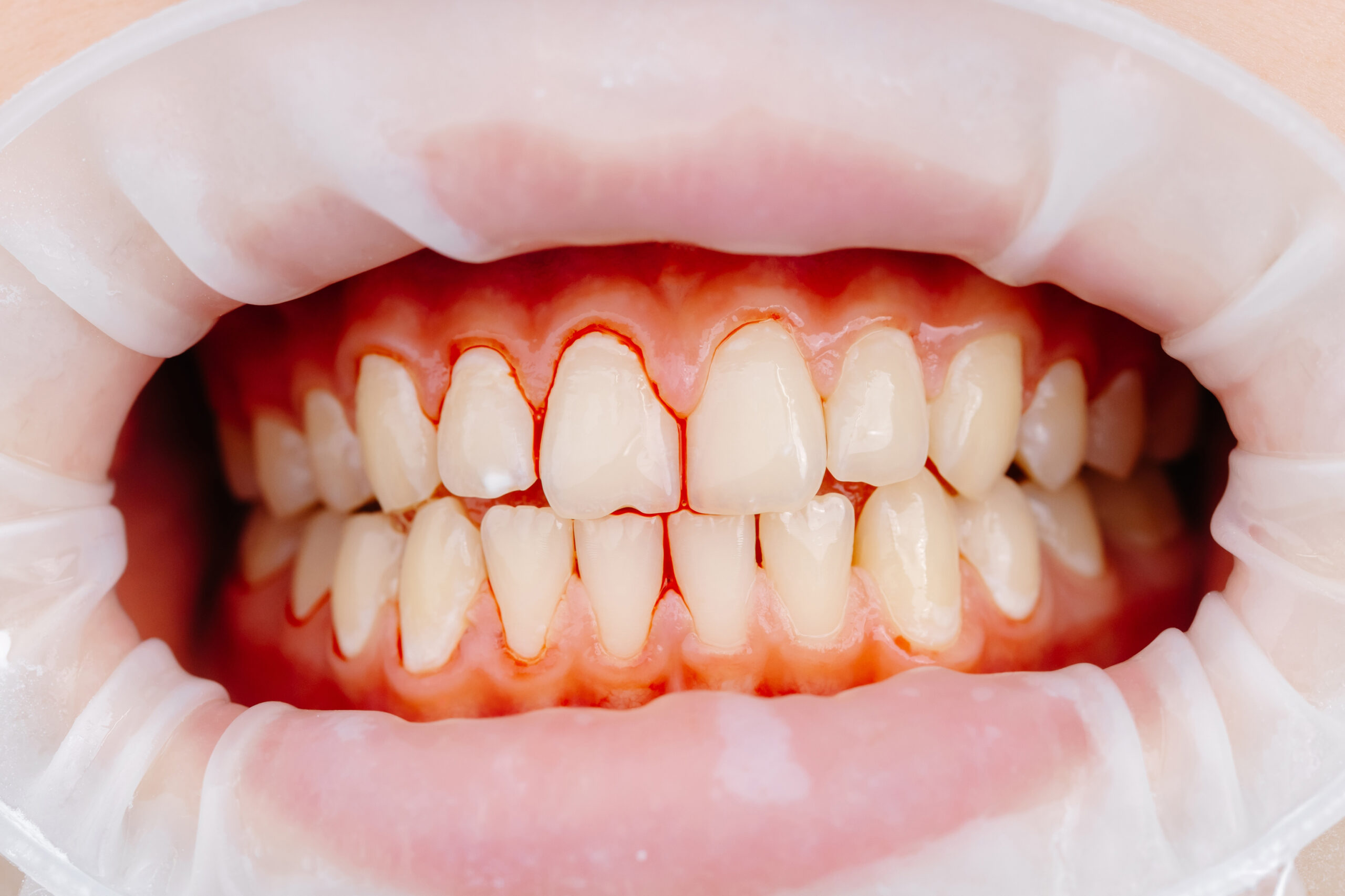
It’s something many people notice at some point—pink in the sink while brushing or flossing. For some, it happens occasionally and feels easy to ignore. Others may notice mild tenderness or swelling and wonder if it’s something more. In our day-to-day conversations with patients, especially those balancing busy work schedules, school routines, or life around San Marcos, this is a very common concern.
Gum bleeding is often an early signal, not something to dismiss. With the right care and guidance, it’s usually manageable and, in many cases, reversible. For patients looking for trusted dental care in the San Marcos area, understanding what your gums are telling you is the first step toward protecting your long-term oral health.
What Does It Mean When Your Gums Bleed?
Healthy gums typically do not bleed during normal brushing or flossing. If you’re seeing blood, even occasionally, it’s often a sign of inflammation.
There’s an important distinction to make:
- Occasional bleeding may happen if you’ve recently changed your flossing habits or brushed too aggressively
- Frequent or consistent bleeding usually indicates that your gums are reacting to irritation or buildup.
In most cases, bleeding gums are an early warning sign of gingivitis, the mildest form of gum disease. Catching it early makes a meaningful difference in how easily it can be addressed.
Common Causes of Bleeding Gums
Several everyday factors can contribute to gum bleeding. Understanding these helps you make simple adjustments at home.
- Plaque buildup: When plaque accumulates along the gumline, it can irritate soft tissue and trigger inflammation
- Gingivitis: Early-stage gum disease is one of the most common reasons for bleeding
- Brushing too hard: Using excessive pressure or a hard-bristled toothbrush can damage gum tissue
- Flossing after long gaps: If you haven’t flossed consistently, your gums may bleed when you restart
- Hormonal changes: Pregnancy or hormonal shifts can increase gum sensitivity
- Certain medications: Some prescriptions may affect how your gums respond to plaque
These causes are often manageable with small, consistent changes in daily habits.
Gingivitis vs Periodontal Disease
It’s helpful to understand the difference between early and advanced gum conditions.
- Gingivitis:
This is the earliest stage of gum disease. Gums may appear red, slightly swollen, and bleed easily. The key advantage is that gingivitis is reversible with proper care and professional cleanings. - Periodontal disease:
If gingivitis is left untreated, it can progress to a more advanced stage. This affects deeper structures supporting the teeth and may lead to gum recession or bone loss over time. This stage is manageable, but not fully reversible.
Early attention helps prevent progression, which is why even mild bleeding shouldn’t be ignored.
How to Prevent Bleeding Gums
Preventing gum issues often comes down to consistent, gentle care.
- Use proper brushing technique: A soft-bristled toothbrush and light pressure help protect gum tissue
- Floss daily: Regular flossing removes plaque between teeth where brushing can’t reach
- Schedule professional cleanings: Routine visits help remove buildup that home care can miss
- Maintain a balanced diet: Nutrients like vitamin C support gum health
- Avoid tobacco products: These can significantly impact gum healing and overall oral health
For many families and individuals in San Marcos, small daily habits make a lasting difference over time.
Treatment Options for Bleeding Gums
If bleeding continues despite good home care, there are effective treatment options available.
- Professional cleanings: Removing plaque and tartar helps reduce inflammation
- Deep cleaning (scaling and root planing): A more thorough cleaning below the gumline for persistent cases
- At-home care adjustments: Your dentist may recommend technique changes or specific products
- Ongoing monitoring: Tracking gum health over time ensures stability and prevents recurrence
Treatment is typically conservative and focused on restoring healthy gum tissue without unnecessary intervention.
When to See a Dentist for Bleeding Gums
While occasional bleeding can happen, certain signs suggest it’s time for a closer look:
- Bleeding that lasts more than a few days
- Noticeable swelling or tenderness
- Persistent bad breath
- Gums pulling away from the teeth
If you’re noticing any of these, it’s worth having a professional evaluation. Early care is often simpler and more comfortable than waiting until symptoms progress.
A Thoughtful Approach to Gum Health
If you’ve been noticing bleeding while brushing or flossing, it’s a good opportunity to pause and evaluate your routine. Gum health is closely connected to your overall oral health, and small changes can lead to meaningful improvements.
If you’d like a clearer understanding of what’s causing your symptoms or how to adjust your care, you can consider scheduling a visit at our San Marcos dental office for a personalized, pressure-free evaluation.
FAQs
Is it normal for gums to bleed sometimes?
Occasional bleeding can happen, especially if you’ve recently started flossing again. However, regular or frequent bleeding is not considered normal and usually indicates inflammation.
Can bleeding gums heal on their own?
In early stages like gingivitis, gums can improve with better brushing, flossing, and professional cleanings. Consistency is key.
Does flossing make bleeding worse?
Flossing may cause temporary bleeding if your gums are inflamed, but continued gentle flossing usually helps reduce bleeding over time.
Are bleeding gums always a sign of gum disease?
Not always. While gum disease is a common cause, factors like brushing too hard or hormonal changes can also contribute.
How long does it take for gums to improve?
With consistent care, many patients notice improvement within one to two weeks. More advanced cases may take longer and require professional treatment.