
Are you constantly battling cavities, especially in those hard-to-reach back teeth? You’re not alone. Even with regular brushing and flossing, decay can sneak into the deep grooves of your molars, creating problems that are costly and uncomfortable to fix. That’s where dental sealants come in – a simple, protective solution with long-lasting benefits.
At Crescent Dental and Orthodontics, we’re committed to helping you and your family stay ahead of dental issues before they start. In this article, we’ll explore what dental sealants are, who they benefit (including teeth sealants for adults), the sealant application process, how long they last, how they compare to fillings, and more.
What Are Dental Sealants?
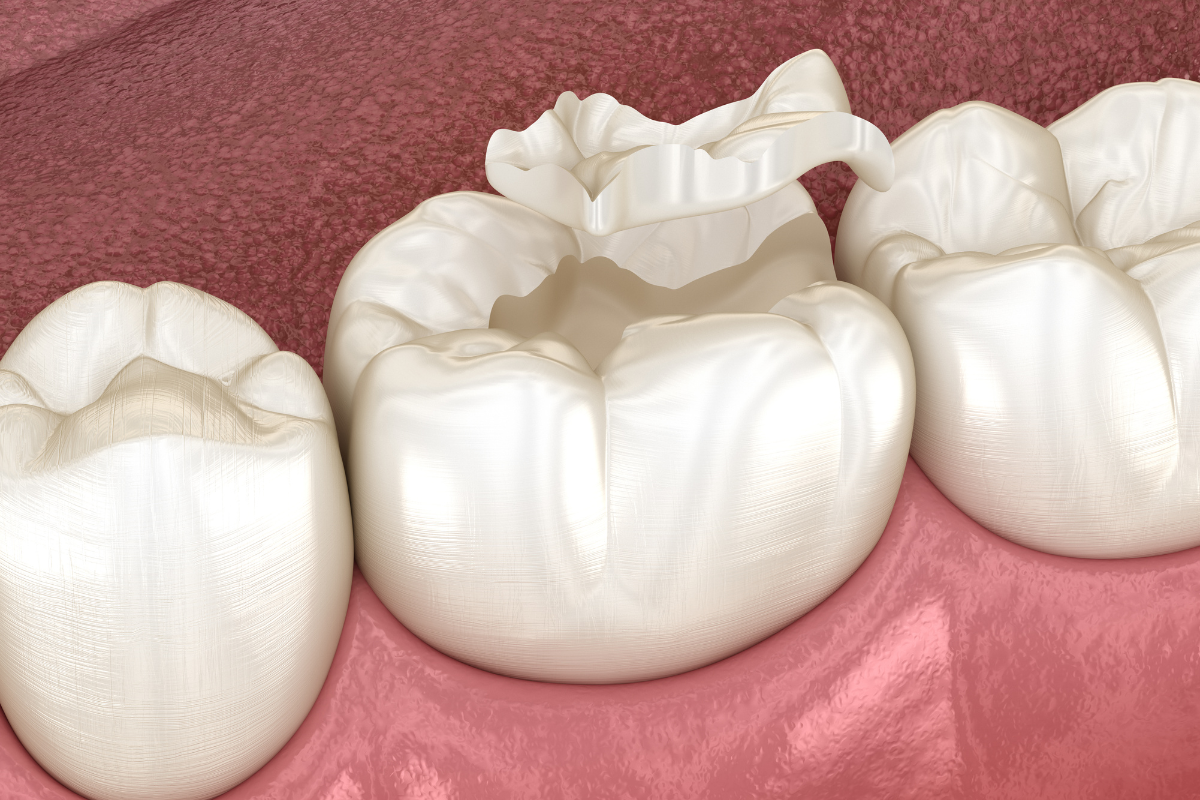
In simple terms, a dental sealant is a thin, plastic coating applied to the chewing surfaces of molars and premolars. These surfaces have deep pits and grooves that toothbrush bristles can’t always reach, making them the perfect hiding spots for bacteria and food particles.
Think of tooth sealants as a raincoat for your molars. Just as a raincoat keeps you dry in a storm, a tooth sealant protects vulnerable surfaces from decay. By forming a physical barrier, sealants dental prevent plaque and acid from settling in and causing cavities.
Molars and premolars are the most commonly sealed teeth due to their textured chewing surfaces. These grooves, known as fissures, are where decay often begins, making them the prime target for sealant dental applications.
Types of Dental Sealants: Understanding Your Options
There are several types of dental sealing materials, and at Crescent Dental and Orthodontics, we select the best option based on age, dental history, overall oral condition, and whether you require a cavity sealant.
1. Resin-Based Tooth Sealants
- Most commonly used.
- Highly durable and long-lasting, especially when cured with a special light.
- Trace amounts of BPA may be present, but studies confirm these levels are extremely low and well within safety margins.
- Great adhesion when applied under dry conditions.
2. Glass Ionomer Sealants
- Ideal when moisture control is difficult, such as in very young children.
- Gradually release fluoride, helping strengthen the surrounding enamel.
- Not as long-lasting as resin-based sealants, but they provide added protection where needed most.
3. Other Variants
- Tooth-colored or clear options are available.
- Polyacid-modified resin (compomer) options may offer a blend of the benefits of both resin and glass ionomer.
Who Should Consider Dental Sealants?
Dental Sealants for Kids
Children are the primary candidates for tooth sealants because their newly erupted molars are more vulnerable to decay:
- First molars erupt around age 6, and second molars around age 12.
- Applying a tooth sealant at this stage significantly lowers the risk of cavities.
- Long-term, this saves time, discomfort, and expense related to future fillings or extractions.
Dental Sealants For Adults
Many people assume sealants are only for children, but with teeth sealants, adults can benefit too.
Tooth sealant for adults is especially helpful for those with:
- Deep grooves and pits in molars.
- A history of cavities.
- Dry mouth, receding gums, or poor access to dental care growing up.
- Those who never had sealants as children.
The dental sealant for adults serves the same protective function and is a cost-effective alternative to fillings. While insurance often covers sealants for kids, sealants for teeth in adults may require an out-of-pocket investment, but it’s a small price to pay to avoid future dental work.
The Dental Sealant Application Process
At Crescent Dental and Orthodontics, the sealant dental procedure is smooth and stress-free. Here’s what you can expect:
- Cleaning the Tooth: We start by thoroughly cleaning the tooth to remove any debris.
- Isolation: Cotton rolls or a rubber dam keep the tooth dry; moisture can interfere with bonding.
- Etching: A mild acidic gel is applied to slightly roughen the surface, helping the sealant for teeth adhere better.
- Rinsing and Drying: The etchant is washed off, and the tooth is dried again.
- Applying the Sealant: The dental sealant is painted into the grooves.
- Curing: A special light hardens the tooth sealant (for resin-based types). GI sealants may set on their own.
No needles, no drilling, and no pain – just a few minutes of your time for years of protection.
Benefits of Dental Sealants: More Than Just Cavity Prevention
Choosing teeth sealants for adults or children comes with numerous advantages:
- Prevents up to 80% of molar cavities.
- Non-invasive and painless—perfect for anxious patients.
- Long-lasting protection—typically 5 to 10 years.
- Cost-effective compared to fillings and crowns.
- Preserves natural tooth structure by avoiding decay altogether.
- Easier cleaning surfaces mean better overall hygiene.
- It can seal over very early decay, stopping progression before a filling is needed.
Longevity and Maintenance of Dental Sealants
How Long Do Sealants Last?
On average, dental sealants last 5 to 10 years, but many factors influence their durability:
- Brushing and flossing habits.
- Chewing hard foods or ice.
- Teeth grinding (nightguards can help).
- Type of dental sealant used.
- Quality of application and follow-up care.
When to Reapply or Repair
Checkups at Crescent Dental and Orthodontics help us identify:
- Chips, cracks, or worn areas.
- Food is getting stuck again in molar grooves.
Home Care Still Matters
Remember, dental sealing doesn’t replace brushing or flossing. It’s a supplement, not a substitute.
Are There Alternatives to Dental Sealants?
While sealants are highly effective, other options exist:
Fluoride Treatments
- Strengthen enamel and help reverse early decay.
Often used alongside dental sealants for maximum effect.
Remineralizing Products
- Toothpastes with hydroxyapatite or calcium phosphate can help protect enamel.
Silver Diamine Fluoride (SDF)
- Can stop active decay without drilling, especially in patients unable to tolerate traditional care.
Diet and Lifestyle
- Reducing sugar, drinking water, and regular dental visits all play a crucial role.
Still, tooth sealant vs filling isn’t a contest – it’s prevention versus repair. A sealant for teeth protects before decay starts, whereas a filling repairs after damage has occurred. Sealants vs fillings is like comparing wearing a seatbelt to visiting the ER – better to prevent than to treat.
Invest in a Healthier Smile
Whether you’re exploring sealants for or curious about cavity sealant, Crescent Dental and Orthodontics is here to help you take a proactive step toward better oral health. Sealant dental treatments offer a powerful sealing of teeth to prevent cavities, preserve your natural teeth, and reduce the need for future dental work.
With convenient locations in Lockhart, Seguin and San Marcos, TX, you can choose the office that best fits your schedule and lifestyle. Each of our clinics is staffed with experienced professionals ready to guide you or your child through the tooth sealant process, from consultation to long-term care.
Don’t wait until decay demands a filling. Contact Crescent Dental and Orthodontics today and book an appointment at the location most convenient for you.
FAQs
Q. Are Sealants for Teeth Necessary?
A: Dental sealants protect back teeth from cavities by sealing deep grooves. Ideal for children and those at higher risk, they’re a quick and effective preventive option.
Q. How Long Does Tooth Sealant Last?
A: With proper care, dental sealants can last 5–10 years. They shield teeth from decay, but regular check-ups are key—worn sealants should be replaced even before the 10-year mark.
Q. Are Dental Sealants the Same as Fillings?
A: No, sealants and fillings serve different purposes. Sealants prevent cavities on healthy teeth; fillings treat teeth already damaged by decay. Sealants are non-invasive, while fillings require drilling and repair.
Q. What is the Best Age to Get Dental Sealants?
A: Children should receive sealants on their permanent molars soon after they emerge, before decay can start. First molars appear around ages 5–7, and second molars come in between 11 and 14 years.