
Life in San Marcos can move quickly between work commitments, family responsibilities, and weekend river activities. Other priorities may push a missing-tooth replacement aside.
Months can turn into years, and you may start wondering whether dental implants are still possible. Fortunately, a long delay doesn’t automatically rule out implant treatment.
At Crescent Dental, patients can seek dental implant evaluations and discuss tooth replacement options. The important question is whether your oral tissues can support the proposed restoration.
What Happens After You Lose a Tooth?
Your jawbone responds to forces transmitted through natural tooth roots. When a tooth is removed, the surrounding bone begins changing.
Bone shrinkage commonly occurs after extraction. The amount and pattern vary by location, health history, and individual anatomy.
Nearby teeth may also shift toward an open space. Opposing teeth can sometimes move when normal tooth contact disappears.
These changes may affect future restoration planning. However, they do not automatically rule out dental implants.
Why Bone Health Matters for Implants
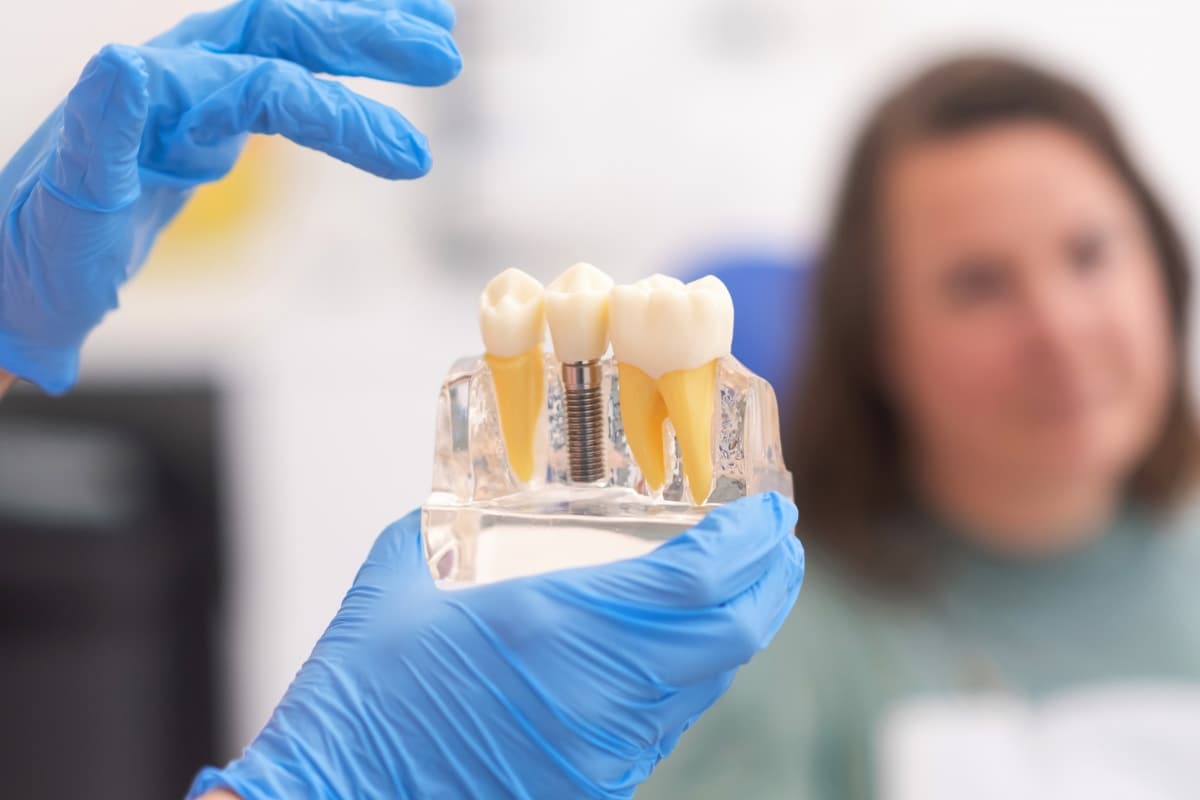
Dental implants are placed within the jawbone to support replacement teeth. They require sufficient bone quantity and quality for proper positioning and stability.
The surrounding tissues must also support healing. Gum health, medical conditions, and certain medications can influence treatment planning.
Patients who have been missing teeth for years may have less available bone. As a result, additional procedures may be considered.
A clinical examination and appropriate imaging help assess these factors.
Can You Still Get Implants After Several Years?
Yes, many patients remain candidates after extended periods of tooth loss. Some individuals receive dental implants decades after losing natural teeth.
However, eligibility depends on current oral conditions, not the number of years alone.
A dentist evaluates the available bone, spacing, bite, and gum health. The expected position of the final replacement tooth also matters.
If the existing bone is insufficient, grafting or another approach may be discussed. In some cases, another replacement option may be more appropriate.
How Bone Grafting May Help
Bone grafting is a procedure that increases or preserves bone in selected areas. It may create a more suitable foundation for future implant placement.
The dentist evaluates whether grafting is necessary and which technique is appropriate. Not everyone with a missing tooth needs this procedure.
Healing after grafting can take several months. Treatment timing depends on graft size, location, and individual healing.
Sometimes, additional procedures may be needed before placing an implant. Your dentist will explain whether referral to another dental professional is recommended.
Other Factors That Affect Implant Candidacy
Your Overall Medical Health
Conditions affecting healing can influence implant treatment planning. Diabetes control, certain medications, and previous radiation therapy may require additional consideration.
These factors do not always prevent implant treatment. Your dentist may coordinate with your physician when medically appropriate.
Your Gum Health
Active periodontal disease can threaten the supporting structures around teeth and implants. Addressing existing gum problems is important before placing an implant.
Patients also need a plan for long-term plaque control. Implants require ongoing care even though they cannot develop ordinary tooth decay.
Your Remaining Teeth and Bite
Missing teeth may allow neighboring teeth to move. This can change the available space for an implant crown.
Some patients require additional dental treatment before implant placement. Your dentist assesses how the final restoration will function with surrounding teeth.
Tobacco and Healing
Smoking can increase the risk of healing problems and implant complications. Patients should discuss tobacco use openly during their consultation.
Your dental team can explain relevant risks and recommend appropriate support.
Dental Implants Versus Other Replacement Options
Dental implants in San Marcos offer one possible solution for replacing missing teeth. They do not require the same design as conventional fixed bridges.
A dental bridge may use neighboring teeth for support. Removable partial dentures represent another option for certain patients.
Each treatment differs in maintenance needs, procedures, and suitability. The number of missing teeth also influences the recommendation.
An individualized evaluation is necessary before choosing a restoration.
What Happens During an Implant Consultation?
The dentist reviews your dental history and examines the area where the tooth is missing. The surrounding gums, teeth, and bite are also assessed.
Diagnostic imaging may include three-dimensional scans when clinically indicated. These images help evaluate bone anatomy and important surrounding structures.
A treatment plan may involve implant placement, a healing period, and final restoration. Additional procedures can change the overall timeline.
At Crescent Dental, patients can discuss dental implant services and the steps involved in evaluating tooth replacement options.
How Long Does Dental Implant Treatment Take?
The overall treatment timeline varies considerably. Some patients qualify for immediate or early implant placement, while others require staged treatment.
After placement, healing allows the implant to integrate with the surrounding bone. The restoration process depends on clinical stability and treatment planning.
Patients who need grafting may require additional healing time. Therefore, an accurate timeline comes from the clinical examination.
Don’t assume an implant can always be completed in one appointment.
Caring for Dental Implants Long Term
Dental implants need daily cleaning and professional monitoring. Plaque can inflame the tissues around an implant.
Brush carefully and clean between teeth using appropriate dental tools. Follow instructions for maintaining the specific restoration.
Routine examinations help check the gums, bite, and implant-supported components. Address unusual movement, bleeding, or discomfort promptly.
Good maintenance supports long-term function, although no implant can be guaranteed to last indefinitely.
Tooth Replacement May Still Be Possible
Losing a tooth years ago does not necessarily close the door to dental implants. Modern treatment planning can evaluate whether sufficient support remains.
Crescent Dental offers dental implant services for patients in San Marcos. Book a consultation to discuss bone health, replacement options, and a treatment plan that fits you.
Frequently Asked Questions
- Can I get dental implants ten years after losing a tooth?
Possibly. Many patients receive dental implants years after extraction. However, jawbone changes and other oral conditions must be evaluated. A dental consultation can determine whether implant placement is feasible or additional treatment is necessary.
- Does bone loss always prevent dental implants?
No. Some patients with reduced jawbone volume may qualify for grafting or alternative treatment approaches. Suitability depends on the location and extent of bone loss. Appropriate imaging helps determine what options remain available.
- Will I need a bone graft before receiving an implant?
Not everyone requires bone grafting. Our dentist evaluates whether the available bone can support an implant in the planned position. A consultation helps clarify whether grafting, implant placement, or another restoration is recommended.
- Can older adults get dental implants?
Age alone does not automatically prevent implant treatment. Overall health, jawbone conditions, medications, and oral hygiene matter more. Older adults can request an implant evaluation to determine whether treatment is appropriate.
- Can my teeth shift after leaving a gap untreated?
Yes. Adjacent or opposing teeth may shift after tooth loss. This can affect the space available for replacement. Dental imaging and bite evaluation help determine whether additional procedures are needed before restoration.
6. Where can I discuss dental implants in San Marcos?
Contact the practice’s San Marcos location for a dental implant consultation. Our dentist can assess your oral health, discuss treatment possibilities, and explain whether further imaging or additional procedures may be needed.