
“Are veneers permanent?”
No — veneers are long-lasting but not lifetime solutions. In this guide, you’ll learn everything about teeth veneers, lifespan, materials, after-care, local factors that matter in San Marcos, and what to expect from the procedure. Whether you’re a longtime resident, a Texas State student, or a working professional, this guide explains what veneer in dentistry truly means and how the veneering of teeth works.
We’ll also walk through expert insights from local clinics and introduce Crescent Dental & Orthodontics, San Marcos, TX, so you know where to get trusted guidance.
What Are Dental Veneers?
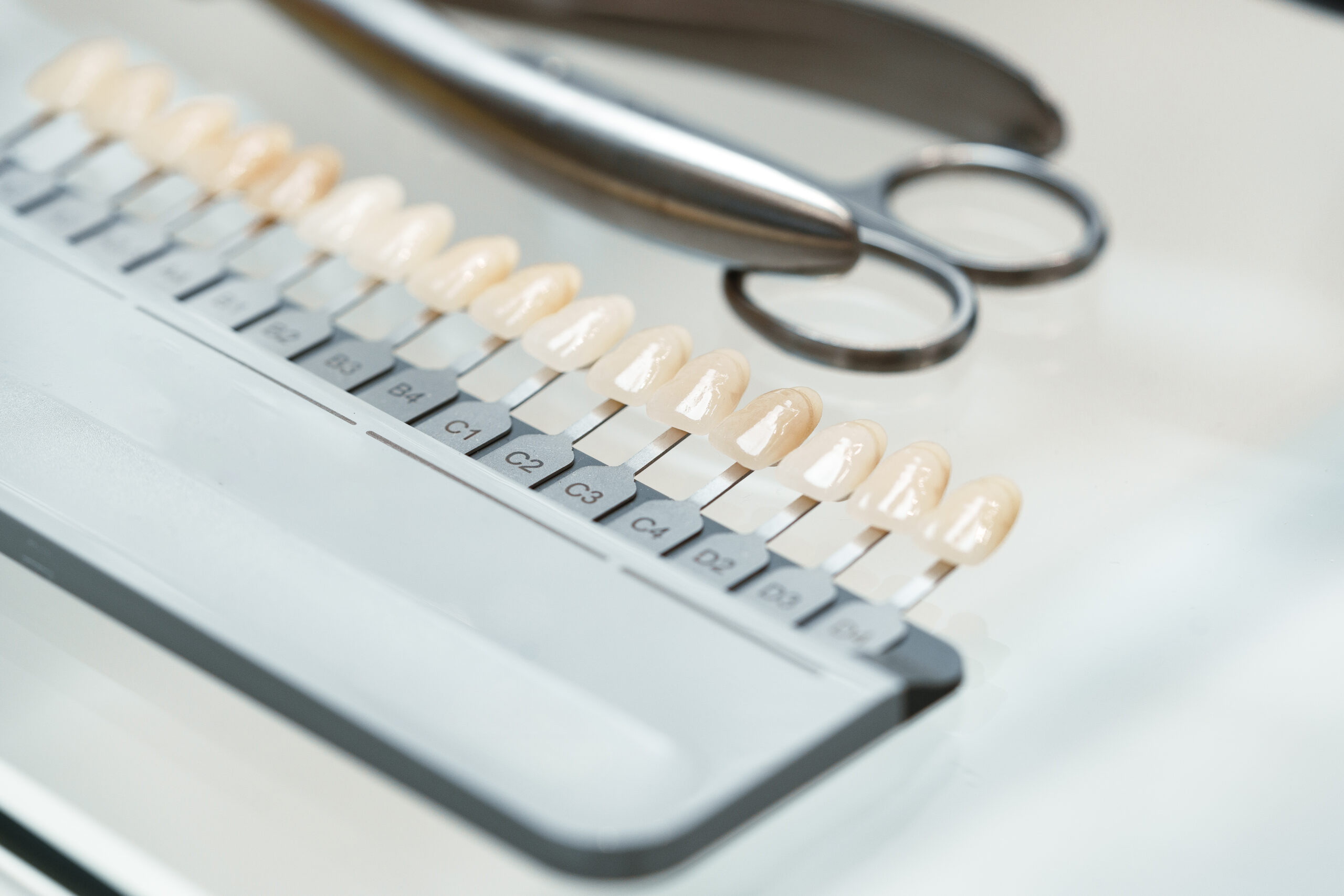
Teeth veneers are thin, custom-made shells placed over the front surface of teeth to enhance appearance and correct imperfections like discoloration, chips, gaps, or shape irregularities. A veneer tooth is typically crafted from either porcelain or composite resin, designed to improve the aesthetics of your smile.
Types of Veneers
-
Porcelain veneers: Highly durable, natural-looking, stain-resistant.
-
Composite veneers: More affordable and quicker to apply, but not as long-lasting.
-
Minimal-prep / no-prep veneers: Preserve more natural enamel and are suitable for select cases.
Unlike crowns, which cover the entire tooth, veneers only cover the front surface of the tooth. Local dental professionals in San Marcos often explain that veneer in dentistry focuses on appearance and function without heavily altering the natural tooth structure.
What Does “Permanent” Mean in the Veneer World?
This is where confusion often begins.
The veneering of teeth requires removing a thin layer of enamel, which cannot be reversed. That means the procedure itself is considered permanent. However, the permanent veneer restorations placed on top are not lifelong.
Clear Answer
-
Are veneers permanent? No — they eventually need replacement.
-
How long do they last? Porcelain veneers typically last longer than composite ones, depending on oral habits and care.
Local dentists in San Marcos emphasize that while a veneer tooth is durable, time, wear, and lifestyle can shorten its lifespan.
How Long Can You Expect Veneers to Last in San Marcos, TX?
Environmental factors, lifestyle habits, and the quality of work all play a role in veneer longevity. Many San Marcos clinics explain that porcelain restorations can last well over a decade, while composite options generally have a shorter lifespan.
Factors That Influence Lifespan
-
Oral Hygiene & Check-Ups: Regular visits to a cosmetic dentist ensure early detection of wear and damage. Brushing, flossing, and using non-abrasive toothpaste are essential.
-
Diet & Local Lifestyle: Coffee shops around Texas State University and the active social environment may expose veneers to stain-causing substances and the risk of accidental trauma.
-
Grinding / Bruxism: Sports participation and stress-related grinding are common in San Marcos. Wearing a nightguard protects your veneer tooth from cracking.
-
Quality of Work: Choosing the right cosmetic dentist in San Marcos is essential for long-lasting results.
Procedure: What to Expect in San Marcos
A typical veneer journey includes:
-
Consultation: Your dentist evaluates whether teeth veneers suit your dental goals and explains options in cosmetic dentistry.
-
Preparation: A thin layer of enamel is removed to make room for the permanent veneer.
-
Temporary Veneers: Used in some cases until the final shells are ready.
-
Final Placement: Veneers are bonded securely to the tooth surface.
Local clinics often highlight that advancements in cosmetic dentistry in San Marcos make the process comfortable, predictable, and conservative.
Pros & Cons: What San Marcos Residents Should Consider
Pros
-
Significant improvement in appearance.
-
Porcelain veneers offer strong stain resistance.
-
Natural and symmetrical smile enhancement.
Cons
-
Enamel removal is irreversible.
-
Veneers can chip if not cared for properly.
-
Not suitable for severely misaligned teeth without orthodontics first.
Students, athletes, and active individuals in San Marcos must pay extra attention to accidental trauma or habits like using teeth to open packaging.
Alternatives & When Veneers May Not Be Right
If dental veneers are not ideal, your dentist may recommend:
-
Dental bonding
-
Crowns
-
Orthodontics
-
Minimal-prep veneers
Severe misalignment, inadequate enamel, or heavy grinding may require different solutions. A trusted cosmetic dentist San Marcos patients rely on will guide you honestly.
Maintenance: How to Maximize Veneer Life in San Marcos
To extend the lifespan of your veneer tooth:
-
Brush with soft bristles and use non-abrasive toothpaste.
-
Floss daily.
-
Avoid chewing ice, pens, or hard candies.
-
Limit stain-causing foods and drinks.
-
Wear a nightguard if you grind.
-
Visit your provider regularly for check-ups and cleanings.
Residents attending concerts, sports, or local events should be mindful of activities that may risk accidental impacts.
Conclusion
Dental veneers are a long-term, durable cosmetic solution, but are veneers permanent? No — they require care, maintenance, and the right expectations. If you’re considering teeth veneers and want expert guidance in cosmetic transformation, schedule a consultation with Crescent Dental & Orthodontics, San Marcos, TX. Their skilled team in cosmetic dentistry can help you determine the best approach and ensure your smile stays beautiful for years to come.
FAQs
Q. What are the disadvantages of veneers?
A: Veneers are irreversible, may cause temporary sensitivity, and can chip or crack under pressure. They’re durable but not as strong as natural teeth and may need replacement over time.
Q. Can you go back to regular teeth after veneers?
A: No, you can’t return to your natural teeth after getting veneers. Enamel is permanently removed during preparation and doesn’t grow back, so your teeth will always need restoration for protection.
Q. Do teeth go bad under veneers?
A: No, veneers don’t ruin your teeth when done correctly. They are irreversible, but the teeth remain healthy if you maintain good oral hygiene. However, decay can still occur under a veneer, and gum recession may expose the tooth edges over time.