
A sudden crunch while eating dinner can leave you wondering whether you damaged a tooth. For families in Lockhart and nearby communities, that concern may interrupt an otherwise ordinary evening.
Sometimes, the damage is limited to a small chip. In other cases, a deeper fracture can threaten the tooth’s inner tissues.
At Crescent Dental & Orthodontics in Lockhart, patients can get evaluations for damaged teeth and discuss available restorative treatments, such as root canal therapy. Whether a cracked tooth can be saved depends on where the fracture is and how far it extends.
Why Tooth Cracks Need Careful Evaluation
A tooth may crack after biting something hard or experiencing an injury. Large existing fillings and significant tooth wear can also make teeth more vulnerable.
However, cracks vary considerably in depth and direction. Some involve only the outer enamel, while others extend into the inner tooth.
A fracture may allow bacteria to reach vulnerable tissues. If the dental pulp becomes inflamed or infected, treatment may become necessary.
The dentist must determine whether the remaining tooth structure can support a lasting restoration.
Different Types of Tooth Cracks
Superficial Enamel Lines
Small lines confined to enamel are often called craze lines. They are common and usually do not cause pain.
These lines generally do not require root canal treatment. Nevertheless, a dentist can distinguish harmless surface markings from deeper fractures.
Fractured Tooth Cusps
A cusp is one of the raised areas on a tooth’s chewing surface. A cusp can fracture, particularly around a large filling.
The tooth may be restorable with a crown or another procedure. Treatment depends on whether the fracture involves the dental pulp.
Cracked Teeth With Deeper Damage
A crack may extend from the chewing surface toward the root. These fractures can cause sharp pain when you bite down.
Some cracked teeth can be saved with root canal therapy and a crown. However, treatment success depends on the crack’s extent and location.
Split Teeth and Vertical Root Fractures
A split tooth contains a fracture that separates tooth segments. Vertical root fractures begin within the root and may extend toward the chewing surface.
These conditions often have a less favorable outlook. Extraction may be necessary when the tooth cannot be predictably restored.
Signs That a Crack May Affect the Nerve
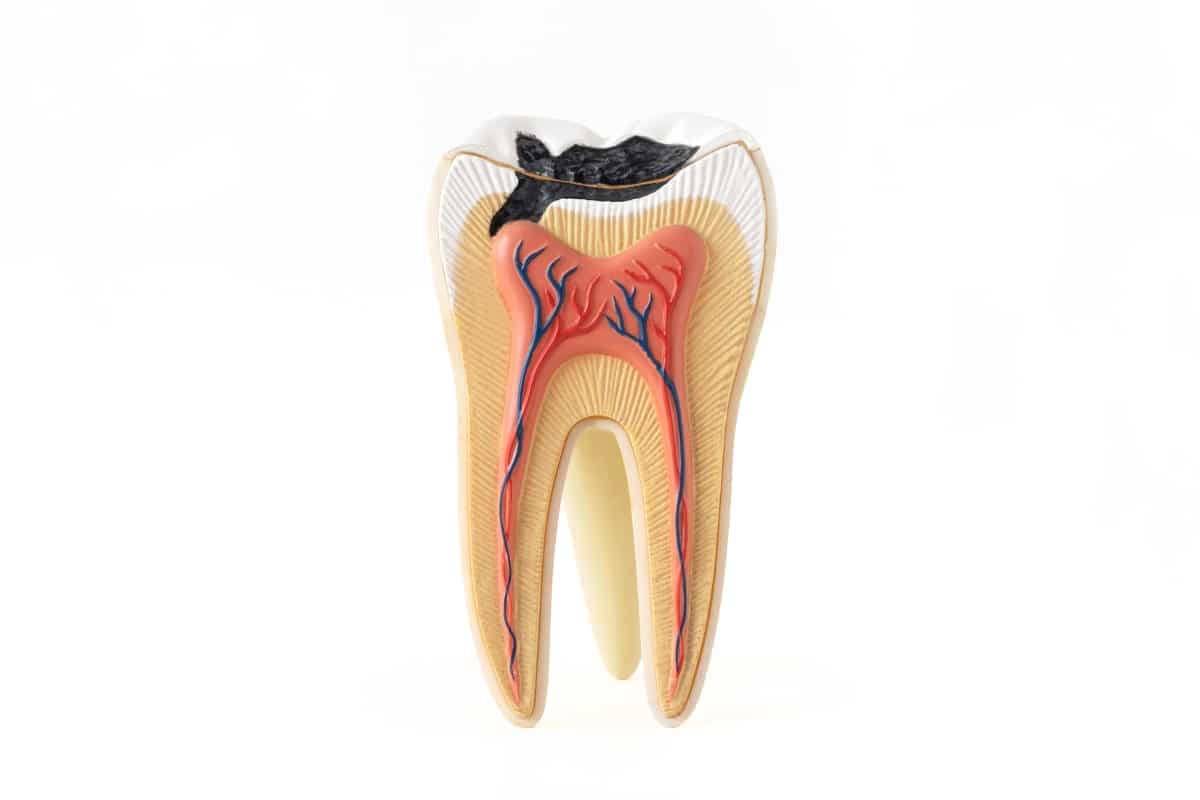
The dental pulp contains nerves, blood vessels, and connective tissue. A deep fracture can expose or irritate these tissues.
Certain symptoms may suggest inflammation or infection.
- Lingering sensitivity after hot or cold drinks
- Sharp pain when chewing
- Spontaneous or throbbing toothaches
- Swelling near the affected tooth
- Tenderness when biting
- A recurring pimple-like bump on the gums
These symptoms do not confirm the diagnosis. However, they justify a prompt dental appointment.
How Root Canal Therapy May Save a Tooth
Root canal therapy treats problems involving the dental pulp. During treatment, the dentist removes affected pulp tissue and cleans the root canals.
The dentist then fills and seals the canals. A final restoration helps protect the remaining tooth from further damage.
Root canal therapy in Lockhart may be appropriate for some cracked teeth with pulp damage. However, treatment cannot repair a crack extending into an unrestorable area. Your dentist must evaluate the tooth before recommending the procedure.
Why Root Canal Treatment and Crowns Often Work Together
A crown helps protect the remaining structure of a weakened tooth. For many back teeth, crown placement is recommended following root canal treatment.
The two procedures serve different purposes. Root canal therapy addresses damaged pulp, while the crown restores and protects the tooth.
A crown cannot guarantee a crack won’t progress. Long-term outcomes depend on the remaining tooth structure, bite forces, and restoration quality.
Your dentist will discuss the expected outlook before proceeding.
How Dentists Determine Whether a Tooth Can Be Saved
The evaluation begins with your symptoms and dental history. The dentist examines the tooth and checks for sensitivity, fractures, and discomfort when you bite down.
Dental X-rays help assess the roots and surrounding bone. However, some cracks remain invisible on conventional X-rays.
Additional testing may include bite tests, magnification, or periodontal measurements. A referral to an endodontist may be appropriate for complex cases.
At Crescent Dental & Orthodontics in Lockhart, patients can discuss root canal therapy and other dental services after an appropriate examination.
Root Canal Therapy Versus Tooth Extraction
Preserving a natural tooth is often desirable when a reliable restoration is possible. Natural teeth support chewing and help maintain existing tooth contacts.
However, keeping an unrestorable tooth may cause repeated pain or infection. Extraction can be necessary when fractures extend too deeply.
If extraction is recommended, replacement options may include a bridge, implant, or another restoration.
Discuss the expected function, treatment stages, and prognosis of each option before making a decision.
What to Do Before Seeing Your Dentist
Avoid chewing on the affected tooth, especially when biting causes sharp pain. Choose softer foods until a dental professional evaluates the damage.
Keep the area clean with gentle brushing. Avoid testing the tooth repeatedly by biting hard objects.
Do not attempt to glue a broken fragment into place. If a piece breaks off, save it and bring it to the appointment.
Seek urgent care for facial swelling, fever, or worsening pain. If you have difficulty breathing or swallowing, seek emergency medical attention.
A Damaged Tooth Deserves a Clear Diagnosis
A deep crack can be concerning, but extraction isn’t always the only option. An examination can clarify whether restoration remains possible.
Crescent Dental & Orthodontics in Lockhart provides root canal therapy and restorative dental services. Schedule an evaluation to understand your tooth’s condition and discuss the appropriate next step.
Frequently Asked Questions
- Can root canal therapy save every cracked tooth?
No. Root canal therapy may save some teeth when pulp damage is present, and the tooth remains restorable. Deep cracks extending below the gums may prevent successful treatment. A dental exam determines your options.
- How do I know if a cracked tooth has an infection?
Possible signs include persistent pain, swelling, tenderness, and a pimple-like bump near the tooth. However, infections sometimes produce limited symptoms. Dental imaging and clinical testing help determine whether infection is present.
- Will a cracked tooth heal naturally?
Unlike bone, cracked tooth structure generally cannot heal on its own. Some minor enamel lines require no treatment, while deeper cracks need professional care. Schedule an appointment when a crack causes pain or sensitivity.
- Do I need a crown after root canal therapy?
Many back teeth need crowns after root canal treatment because of their chewing demands and remaining structure. Front teeth may need different restorations. Your dentist will recommend a final restoration based on the tooth’s condition.
- Should I seek treatment if tooth pain suddenly disappears?
Yes. Pain disappearing does not always mean the underlying problem has resolved. Pulp damage or infection can sometimes progress without constant discomfort. An examination is important when a tooth has a known fracture.
- Where can I get a cracked tooth examined in Lockhart?
Contact the practice’s Lockhart office to schedule a dental evaluation. The dentist can examine the fracture, explain whether the tooth can be restored, and discuss root canal therapy or other treatments when appropriate.