
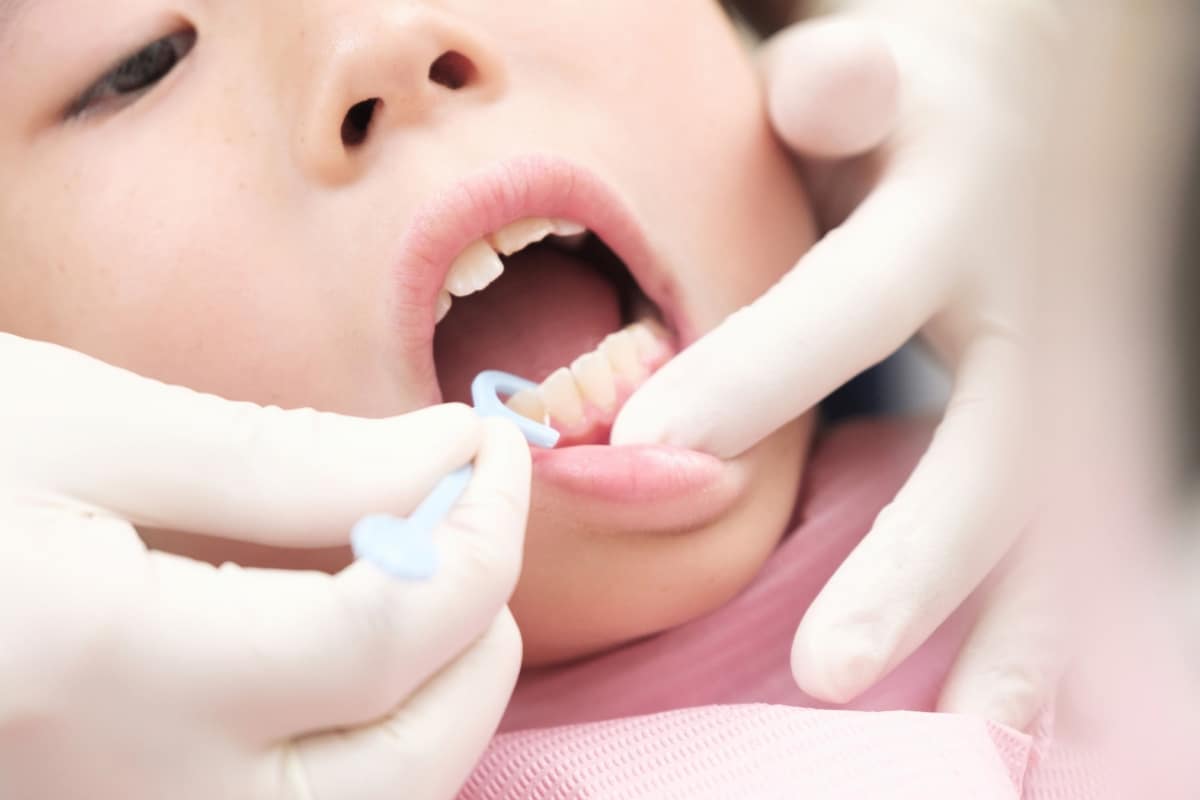
Between school mornings, sports practices, and family outings around Lockhart, parents juggle countless responsibilities. A child’s dental health can seem reassuring when they have no tooth pain.
However, cavities often develop quietly before children notice any discomfort. At Crescent Dental & Orthodontics: Lockhart, families can seek pediatric dental examinations and treatment for concerns affecting growing smiles.
Understanding how childhood tooth decay develops can help parents recognize problems earlier. More importantly, it encourages regular dental visits rather than waiting for a painful toothache.
Why Children’s Cavities May Develop Silently
Early tooth decay usually affects the outer enamel. Because enamel has no nerves, a developing cavity may not hurt at first.
Over time, bacteria produce acids that weaken enamel. If damage reaches the underlying dentin, sensitivity or pain may begin.
Children may also struggle to describe unusual dental sensations. Some continue eating normally even when a cavity has progressed.
For these reasons, an absence of complaints does not guarantee healthy teeth.
Early Signs Parents Should Watch For
White Spots That Appear on Teeth
Chalky white patches can indicate early loss of enamel minerals. These areas may appear near the gumline or between teeth.
Not every white spot represents active decay. However, a dental exam can determine whether you need preventive treatment.
Brown or Dark Areas
A dark area may indicate staining, an existing restoration, or tooth decay. Color alone cannot determine whether a cavity is present.
If you notice a new mark on your child’s tooth, schedule an examination. Your dentist can assess the area without relying on appearance alone.
Food Getting Trapped Repeatedly
Food may become stuck between teeth because of their shape or spacing. However, a developing cavity can sometimes create an food-trapping area.
Repeated food collection deserves attention, especially when floss begins catching or shredding.
Changes in Eating Habits
Some children begin avoiding cold drinks, sticky snacks, or certain chewing surfaces. Others take longer to finish meals.
These changes may reflect tooth sensitivity or another oral concern. Ask your child about discomfort and discuss persistent changes with a dentist.
Why Baby Teeth Need Dental Treatment
Parents sometimes assume baby teeth need less attention because they eventually fall out. However, primary teeth play important roles in childhood development.
They help children chew food, develop speech, and maintain space for permanent teeth. Premature tooth loss can sometimes affect how neighboring teeth move.
Untreated cavities may also progress to infection or painful inflammation. Even a tooth approaching its natural shedding time requires an appropriate assessment.
The decision to restore or remove a primary tooth depends on several factors. These include the child’s age, the tooth’s condition, and the expected eruption pattern.
When Pediatric Dental Fillings Are Recommended
Dental fillings restore areas affected by cavities after damaged tooth structure is removed.
For many small or moderate cavities, a filling can preserve the remaining tooth. The material and technique depend on the clinical situation.
Pediatric dental fillings can help restore chewing surfaces and reduce places where food collects.
However, deeper decay may require another procedure. Your dentist will discuss the treatment plan after examining the affected tooth.
What Happens During a Child’s Filling Appointment?
The dentist first examines the tooth and reviews the recommended treatment. Depending on the procedure, local anesthesia may be used to keep the area comfortable.
After removing decay, the dentist places a restorative material. The filling is then shaped to support normal chewing.
Some children need additional behavior guidance or comfort measures during treatment. Parents can discuss concerns before the appointment.
At Crescent Dental & Orthodontics: Lockhart, families can access pediatric dental services, including fillings and routine care.
Daily Habits That Reduce Cavity Risk
Children benefit from brushing twice daily with fluoride toothpaste. Parents should supervise brushing until children can clean their teeth effectively.
The amount of toothpaste depends on age. Children younger than three generally need a rice-sized smear, while children ages three through six use a pea-sized amount.
Flossing becomes important when neighboring teeth touch. Parents may need to help younger children clean between their teeth.
Limiting frequent sugary drinks and snacks also reduces repeated acid exposure. Water remains a practical drink between meals.
Regular dental checkups let dentists spot problems parents may not easily see.
The Role of Dental Sealants
Dental sealants create a protective coating over the grooves of certain teeth. These grooves can trap food and bacteria despite routine brushing.
Sealants are commonly considered for permanent molars after they erupt. Some baby teeth may also benefit when cavity risk is elevated.
A dentist determines which teeth are suitable for sealants. These preventive coatings do not replace brushing, fluoride, or dental examinations.
Why Waiting for Tooth Pain Can Backfire
When a cavity becomes painful, it may have reached deeper tooth structures. This can increase the likelihood of more extensive treatment.
Some children develop dental anxiety after painful experiences. Addressing problems early may help prevent emergencies.
Parents do not need to identify cavities themselves. Their role is to recognize changes, support daily cleaning, and maintain regular dental appointments.
Protect Small Teeth Before Problems Grow
A child who smiles, eats, and plays normally can still have developing cavities. Preventive examinations help identify concerns that might otherwise go unnoticed.
Crescent Dental & Orthodontics: Lockhart welcomes families seeking pediatric dental care. Schedule your child’s dental checkup to discuss cavity prevention, early warning signs, and treatment when needed.
Frequently Asked Questions
- Can my child have a cavity without complaining about pain?
Yes. Early cavities may affect only the enamel and cause no noticeable discomfort. Children may also overlook mild sensitivity. A pediatric dental exam helps identify tooth decay before it becomes a more complicated dental problem.
- Do baby teeth cavities always need sealants?
Not always. Treatment depends on the cavity size, the tooth’s condition, and how soon the baby tooth will naturally fall out. A dentist can determine whether monitoring, a sealant, or another procedure is appropriate.
- Are dental sealants safe for young children?
Dental sealants are commonly used to protect primary and permanent teeth from decay. Your child’s dentist selects materials and techniques based on their needs. A consultation also provides an opportunity to discuss comfort, anesthesia, and treatment concerns.
- How often should children receive dental checkups?
Many children benefit from dental examinations approximately every six months. However, appointment frequency depends on individual cavity risk and oral health. A pediatric dental visit can establish an appropriate schedule for your child.
- Can dental sealants prevent every childhood cavity?
No. Sealants help protect certain chewing surfaces, but cavities can still form elsewhere. Brushing, fluoride toothpaste, flossing, and regular dental care remain necessary. Ask the child’s dentist whether sealants could benefit their developing teeth.
- Where can parents schedule pediatric fillings in Lockhart?
Families can contact our Lockhart office for a pediatric dental appointment. The dentist can examine your child’s teeth, identify decay, and explain whether fillings or preventive care are needed.