
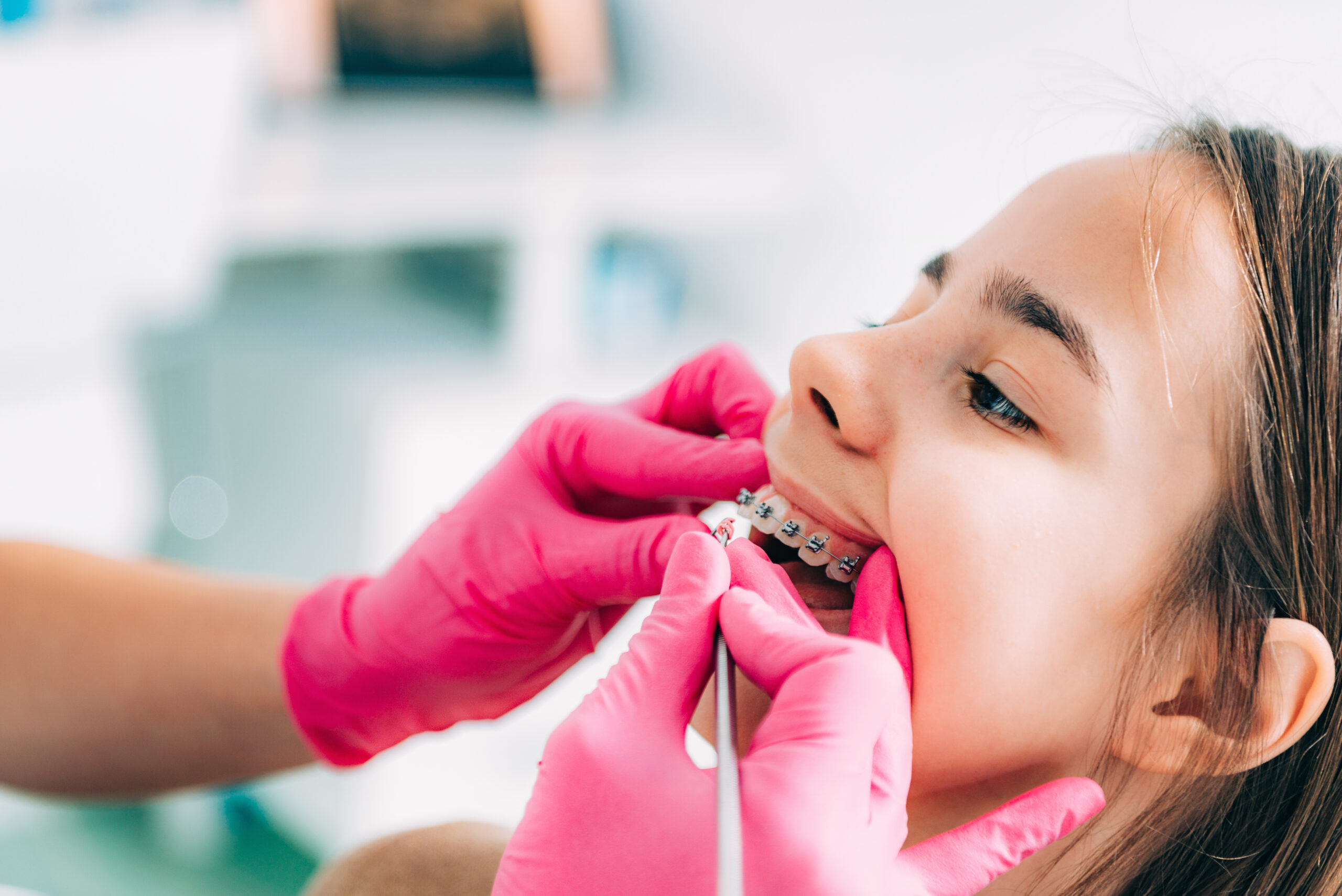
Parents often start with the same questions when orthodontic care comes up. Will braces hurt their teen? Will discomfort affect school, sports, or everyday routines? These concerns are common for families in and around San Marcos, including nearby communities like Kyle and Buda, where busy school schedules and after-school activities are part of daily life. Understanding what discomfort typically feels like and what is considered normal can help parents feel more confident as they explore orthodontic care for their teen.
This is a common scenario we see among patients in this area
Families often arrive looking for reassurance before committing to orthodontic care. Many parents want clear answers their teen can understand, not just a quick overview. When expectations are explained calmly and directly, teens tend to feel more prepared, and parents feel more at ease about how treatment will fit into everyday life.
Taking time to hear from other families can also help put those worries into perspective.
“Best experience! Brought my teen here for Orthodontics. Dr. Shah was so great; very personable and took the time to explain my teens treatment and steps to her, not just myself as the parent. Manny and Cassie were our Dental Assistants and were just amazing. Alexa was super amazing and had the best energy. The Manager Nicole did our consultation and was super bubbly and you could tell she was excited to be at work. Overall the whole team made this an exciting visit! Will definitely recommend this office!”
For many families beginning orthodontic care, guidance from a dentist in San Marcos, TX helps clarify what discomfort typically feels like, how long it may last, and how teens are supported throughout treatment. When orthodontic conversations focus on education and comfort, parents and teens can better understand how care is planned with long-term oral health in mind. Clear, straightforward explanations help families feel more confident as they consider the next steps for their teen.
An Orthodontist’s Perspective

From a clinical standpoint, education always comes before treatment. Families benefit when orthodontists explain why certain sensations happen and what teens can expect over time. Our orthodontist in San Marcos, Dr. Darshit Shah, focuses on helping teens understand each step so they feel involved rather than surprised. Speaking directly to teens—using language that makes sense to them—builds confidence and reduces anxiety before braces are placed.
What Dentists Mean When They Talk About “Braces Pain”
When dentists mention discomfort, they’re usually referring to pressure rather than sharp pain. Braces work by applying gentle, consistent force to guide teeth into better alignment. That pressure can feel unfamiliar at first, especially after initial placement or adjustments.
Most teens notice mild soreness for a few days as the mouth adapts. This sensation is temporary and typically fades as the teeth begin to respond to treatment. Understanding this distinction helps families set realistic expectations.
What Parents and Teens Can Expect During the First Few Weeks
The first weeks are often an adjustment period. Teens may feel pressure when chewing, and softer foods can feel more comfortable at first. Speech changes are usually minimal and short-lived, and most students return to normal classroom participation quickly.
Daily routines—school days, practices, and social activities—rarely need major changes. With awareness and communication, teens often adapt faster than parents expect.
How Dentists Help Teens Stay Comfortable During Treatment
Comfort is monitored throughout care, not just at the first visit. Dentists and orthodontic teams check how teeth are responding and make gradual adjustments when needed. Open communication is encouraged so teens can speak up about soreness or concerns.
Regular check-ins allow providers to fine-tune treatment and ensure progress stays on track without unnecessary discomfort.
When Pain Isn’t Normal and When to Ask Questions
While some pressure is expected, ongoing or intense pain isn’t something families should ignore. Dentists encourage parents and teens to ask questions anytime something feels off. Early conversations help address minor issues before they become bigger concerns, keeping treatment comfortable and predictable.
Considering Orthodontic Care Thoughtfully
If your family is still gathering information, having access to local orthodontic guidance can make the process feel less overwhelming. An initial visit allows parents and teens to ask questions, talk through comfort expectations, and understand how orthodontic care is approached. For families who prefer to explore options in person, visiting our dental practice in San Marcos provides an opportunity to have these conversations at a comfortable pace and decide on next steps when it feels right.
Frequently Asked Questions
Do braces always hurt at the beginning?
Most teens feel mild soreness for a short time, but it usually fades within a few days.
Can teens go to school the day after getting braces?
Yes. Most return to school and activities right away with minimal disruption.
Is discomfort worse after adjustments?
Some pressure can return briefly after adjustments, but it’s typically temporary.
Should teens avoid activities because of braces discomfort?
In most cases, normal activities can continue. Listening to the body is key.
How can parents help teens manage soreness?
Encouraging open communication and following general comfort advice from the dentist can make the adjustment easier.