
Imagine enjoying barbecue with your family when a sudden, sharp toothache interrupts your meal. You stop chewing, switch sides, and hope the discomfort disappears. However, the pain returns whenever you bite into something firm.
This discomfort may indicate a cracked tooth, a damaged filling, or another dental problem. At Crescent Dental & Orthodontics: Lockhart, patients can get an exam to identify the cause and discuss treatment options.
Although tooth pain may seem manageable at first, delaying an examination can let dental problems worsen. Knowing the possible causes helps you recognize when you need professional care.
Understanding Why Biting Causes Tooth Pain
Your teeth withstand considerable pressure during everyday activities. However, each tooth contains several layers that respond differently to damage.
The outer enamel protects the underlying dentin and dental pulp. When cracks, decay, or worn restorations affect these structures, biting may trigger discomfort.
Sometimes, pain occurs when pressure is applied. In other cases, the sharp sensation appears when you release your bite.
These differences provide useful clues during a dental examination. However, symptoms alone cannot confirm the cause.
Common Reasons Your Tooth Hurts When Chewing
A Small Crack in Your Tooth
A cracked tooth may cause sudden pain when chewing certain foods. The discomfort can come and go, making it hard to recognize.
Small cracks can be hard to see without a dental exam. Your dentist may use bite testing, magnification, and other diagnostic methods to identify the affected tooth.
Not every crack requires a dental crown. Treatment depends on its location, depth, and how much tooth structure remains.
An Old or Damaged Dental Filling
Dental fillings restore areas affected by cavities. However, fillings can wear down, loosen, or fracture over time.
When a restoration becomes damaged, bacteria and food particles may enter exposed areas. This can contribute to sensitivity. The dentist will examine the existing restoration before recommending a replacement filling or crown.
Tooth Decay Beneath the Surface
Cavities do not always cause immediate pain. As decay progresses, it may weaken the tooth and affect deeper tissues.
Eventually, biting pressure or temperature changes can trigger sensitivity. Larger cavities may require more extensive treatment than smaller ones.
An examination helps determine whether enough healthy tooth structure remains for a filling.
Inflammation Around the Tooth Root
Inflammation or infection around a tooth root can cause tenderness when you bite down. Sometimes, the affected tooth feels slightly raised compared with surrounding teeth.
Swelling, persistent discomfort, or sensitivity may accompany the problem. Depending on the diagnosis, you may need root canal treatment or another procedure.
When a Dental Crown May Help
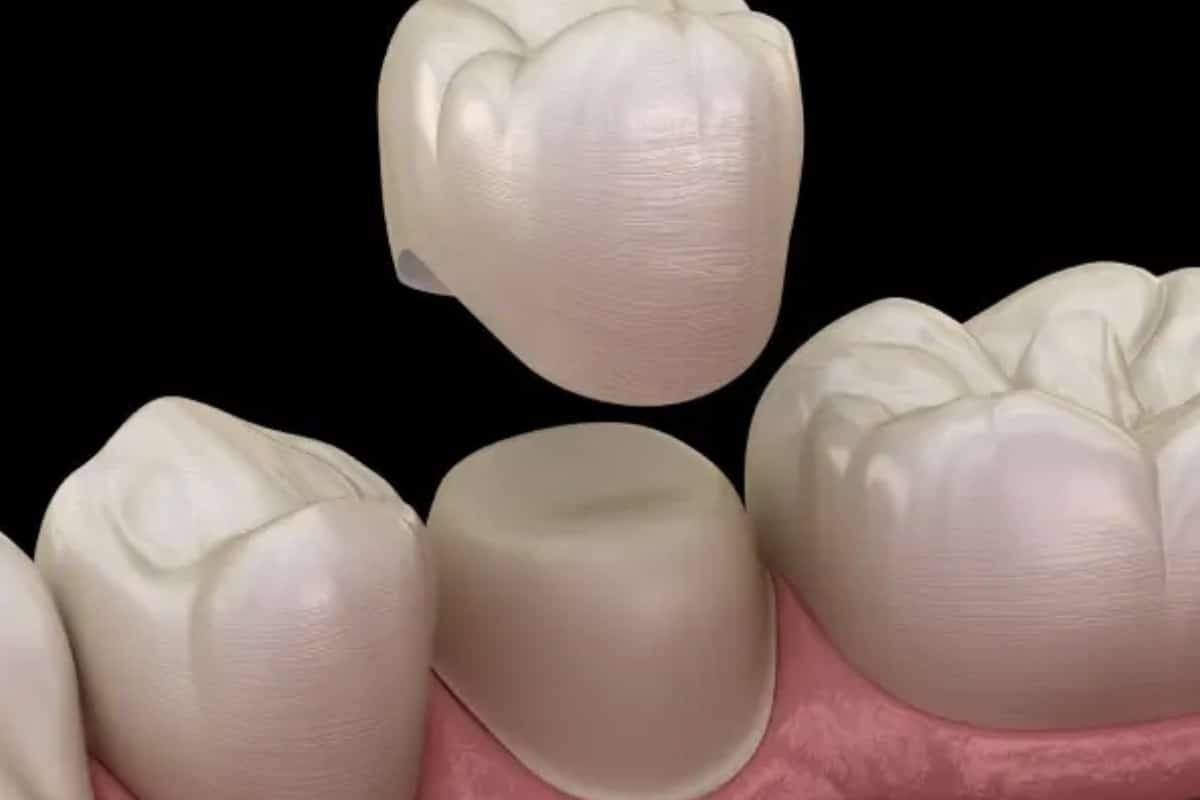
A dental crown covers the visible portion of a prepared tooth. It restores function and protects weakened tooth structure. Dental crowns in Lockhart may be considered when a tooth has extensive decay, a large failing filling, or certain fractures.
A crown can also restore a tooth following root canal therapy. However, the procedure does not treat every possible cause of biting pain.
Your dentist must first determine whether the tooth can be successfully restored.
Signs Your Tooth May Need Protection
Certain symptoms suggest your tooth needs prompt attention. Although these signs don’t automatically indicate the need for a crown, they warrant evaluation.
- Sharp pain when biting into firm foods
- Sensitivity around an older dental filling
- A visible chip or fracture
- Discomfort that returns during meals
- A tooth that feels structurally weak
- Persistent sensitivity after dental treatment
If symptoms continue, avoid assuming they will resolve without care. Early diagnosis may allow more tooth structure to be preserved.
What Happens During a Dental Crown Appointment?
Treatment generally begins with a detailed examination. The dentist checks the affected tooth, surrounding gums, bite, and existing restorations.
Dental X-rays may help identify decay or other concerns. However, some cracks are not visible on routine X-rays.
If a crown is recommended, the dentist removes damaged material and prepares the remaining tooth. An impression or digital scan helps create a restoration that fits your bite.
Some crowns require a temporary restoration while a dental laboratory produces the permanent crown. Your dentist will explain the expected appointment sequence.
At Crescent Dental & Orthodontics, patients can discuss symptoms and review available restorative options before treatment begins.
Protecting Your Tooth Before Your Appointment
While waiting for an examination, avoid chewing hard foods on the painful side. Nuts, ice, and hard candy can put extra pressure on a weakened tooth.
Continue brushing gently and cleaning between your teeth. Do not apply aspirin directly to the affected tooth or gums.
If needed, ask a pharmacist or healthcare professional about appropriate over-the-counter pain relief.
Contact a dental professional promptly if discomfort worsens. Facial swelling, fever, or difficulty swallowing requires urgent assessment.
Why Ignoring Biting Pain Can Be Risky
A damaged tooth may not cause constant discomfort. Still, repeated chewing pressure can worsen an existing fracture.
If decay spreads deeper, you may need additional treatment. Some severely damaged teeth cannot be restored.
Not every painful tooth will deteriorate quickly. However, a timely exam can identify concerns before they cause more extensive damage.
Enjoy Every Meal Without Dental Discomfort
Tooth pain should not become part of your daily eating routine. Whether the cause involves decay, a fracture, or a failing filling, identifying it matters.
Crescent Dental & Orthodontics provides restorative dental services for patients in Lockhart and surrounding communities. Book online to schedule a dental examination, understand your symptoms, and discuss ways to restore comfortable chewing.
Frequently Asked Questions
1. Do I need a dental crown without constant tooth pain?
Yes. A weakened tooth may require a crown even without persistent discomfort. Large fillings, fractures, or significant decay can weaken the tooth. Scheduling an examination helps determine whether a crown or another restoration is appropriate.
2. Why does my tooth hurt only when eating hard foods?
Hard foods increase pressure on individual teeth. If a tooth contains a crack, damaged filling, or inflamed tissue, that pressure may cause discomfort. The dentist can identify the source and recommend treatment before the problem worsens.
3. Can a dental crown stop tooth pain when chewing?
A crown may reduce biting discomfort when pain results from certain structural problems. However, other causes require different treatments. The dentist must examine the tooth before determining whether a crown can address the underlying concern.
4. How long does dental crown treatment take?
Treatment often requires one or two appointments, depending on the restoration method and clinical needs. Additional procedures may be necessary when decay or infection is present. A consultation provides a clearer treatment schedule.
5. Should I avoid chewing on a cracked tooth?
Yes. Avoiding pressure may help reduce discomfort and limit additional damage before your appointment. However, changing chewing habits does not repair the tooth. Arrange a dental evaluation to determine whether restoration is possible.
6. Where can I get a painful tooth examined in Lockhart?
You can schedule an appointment at our Lockhart dental office. Our dentist can examine the affected tooth, explain possible causes, and discuss treatments such as fillings, crowns, or root canal therapy when indicated.