
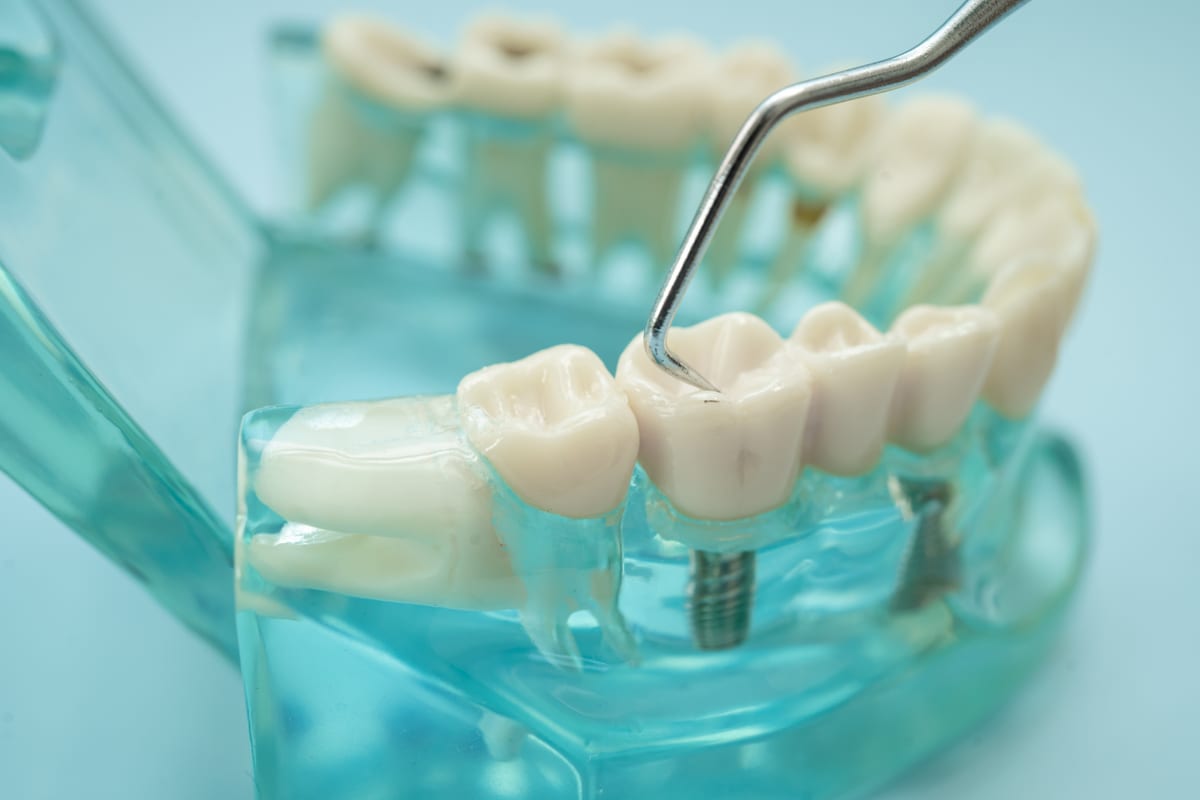
Getting a dental bridge is a big step toward restoring your smile. But what happens after you leave the dental chair? Understanding what to expect after your dental bridge recovery guide in San Marcos can make the healing process much smoother. Dr. Will Parell and the team at Crescent Dental & Orthodontics San Marcos want you to feel confident and informed every step of the way.
Recovery from a dental bridge is generally straightforward. Most patients return to their daily routines within a few days. Still, knowing the timeline and what to watch for helps you heal comfortably and avoid complications.
Your Dental Bridge Recovery Timeline in San Marcos
The first 24 to 48 hours are the most important part of your recovery. Your gums and the supporting teeth will feel sensitive during this period. Some mild soreness and swelling are completely normal at this stage.
By days three through seven, most discomfort fades noticeably. Your gums begin adjusting to the new bridge. The bridge itself may feel slightly foreign in your mouth — this is expected and temporary.
Most patients feel fully comfortable within two weeks. Your bite will normalize, and the bridge will start to feel like a natural part of your smile. If discomfort continues beyond two weeks, contact Dr. Parell for an evaluation.
- Days 1–2: Mild soreness and gum sensitivity
- Days 3–7: Swelling reduces, discomfort eases
- Week 2: Most patients feel back to normal
- Week 2+: Bridge feels natural and secure
What to Eat After Getting a Dental Bridge
Your diet plays a major role in how quickly and comfortably you recover. During the first few days, stick to soft, easy-to-chew foods. Avoid putting unnecessary pressure on the bridge area.
Good food choices during early recovery include:
- Yogurt, applesauce, and mashed potatoes
- Soft cooked vegetables and scrambled eggs
- Smoothies and lukewarm soups
- Soft fish like tilapia or salmon
Avoid hard, crunchy, or sticky foods for at least one week. Items like popcorn, caramel, and hard candy can dislodge a temporary bridge or irritate tender gums. Very hot or very cold foods may also trigger sensitivity, so give them a little time.
As your mouth heals, you can gradually reintroduce your normal diet. Listen to your body — if something causes discomfort, avoid it a little longer.
Managing Pain and Sensitivity After Your Bridge Procedure
Some sensitivity after a dental bridge procedure is completely normal. Your teeth and gums need time to adjust to the new restoration. Dr. Parell may recommend over-the-counter pain relievers to manage any initial discomfort.
Ibuprofen or acetaminophen taken as directed can reduce both pain and inflammation effectively. Apply a cold pack to your jaw for the first 24 hours if you notice swelling. Keep sessions to 15 minutes on, then 15 minutes off.
Using a toothpaste designed for sensitive teeth can also help. Avoid vigorous brushing directly over the bridge site in the first few days. Use a soft-bristled toothbrush and gentle strokes instead.
Saltwater rinses are another helpful tool during recovery. Mix half a teaspoon of salt into eight ounces of warm water. Rinse gently two to three times a day to reduce inflammation and keep the area clean.
How to Care for Your Dental Bridge Long-Term
Proper daily care ensures your bridge lasts for many years. Brush at least twice daily using a soft-bristled toothbrush. Flossing under the bridge is essential — a floss threader or water flosser makes this easier.
Avoid habits that can damage your bridge over time. These include chewing on ice, biting your nails, or using your teeth to open packages. These behaviors put stress on the bridge and the supporting teeth beneath it.
Schedule regular checkups at Crescent Dental & Orthodontics San Marcos every six months. Professional cleanings remove buildup that home brushing cannot reach. Dr. Parell will also check the bridge fit and integrity at each visit.
If you are interested in enhancing your overall smile beyond the bridge, explore Cosmetic Dentistry San Marcos options that complement your restoration. Many patients combine dental bridges with teeth whitening or veneers for a complete smile transformation. You can also learn more through our full range of Cosmetic Dentistry San Marcos services available at our practice.
Warning Signs: When to Call Dr. Parell
Most bridge recoveries go smoothly, but some situations require prompt attention. Knowing when to call your dentist can prevent small issues from becoming bigger problems. Do not wait if you notice any of the following.
- Sharp or throbbing pain that worsens after day three
- The bridge feels loose or shifts when you bite down
- Visible swelling or pus near the gum line
- Fever or persistent bad taste in your mouth
- Difficulty closing your mouth or an uneven bite
These symptoms may indicate infection, a poor fit, or a complication with the abutment teeth. Early treatment makes a significant difference in outcomes. Call our San Marcos office right away if you experience any of these signs.
Dr. Parell and his team are here to support you throughout the entire recovery process. You are never alone in navigating post-treatment questions or concerns.
Conclusion: Heal Confidently With the Right Support
Understanding what to expect after your dental bridge recovery guide in San Marcos empowers you to heal faster and more comfortably. Follow your aftercare instructions, eat wisely, and stay in touch with Dr. Parell if anything feels off. The team at Crescent Dental & Orthodontics San Marcos is committed to your long-term oral health and comfort. Book Now to schedule your appointment with our team.
Frequently Asked Questions
How long does it take to adjust to a new dental bridge?
Most patients fully adjust within one to two weeks. The bridge may feel slightly bulky or unnatural at first, but this sensation fades as your mouth adapts. If discomfort continues beyond two weeks, schedule a follow-up with Dr. Parell.
Is it normal to have sensitivity after a dental bridge?
Yes, mild sensitivity to temperature and pressure is very common after bridge placement. It typically subsides within the first week. Using a sensitivity toothpaste and avoiding extreme food temperatures can help manage this discomfort.
Can I eat normally after getting a dental bridge?
Start with soft foods for the first few days and gradually return to your regular diet. Avoid hard, sticky, and crunchy foods during the initial healing period. Once your mouth fully adjusts, you can enjoy most foods without restriction.
How do I clean under my dental bridge?
A floss threader or water flosser is the most effective way to clean under a bridge. Thread floss beneath the bridge and gently move it back and forth along the gum line. Keeping this area clean prevents gum disease and extends the life of your bridge.
How long does a dental bridge last?
With proper care, a dental bridge can last 10 to 15 years or longer. Regular dental checkups, good oral hygiene, and avoiding damaging habits all contribute to a longer lifespan. Dr. Parell will monitor your bridge at each routine visit to ensure it remains in great condition.